Are Cooking Classes Worth It In Italy?
Food-motivated travel now drives 70% of Italian holidays. Here is the value math on an Italian cooking class, when it fails, and what Florence charges.
 By Andrea Bianchi, Florence pasta-making instructor
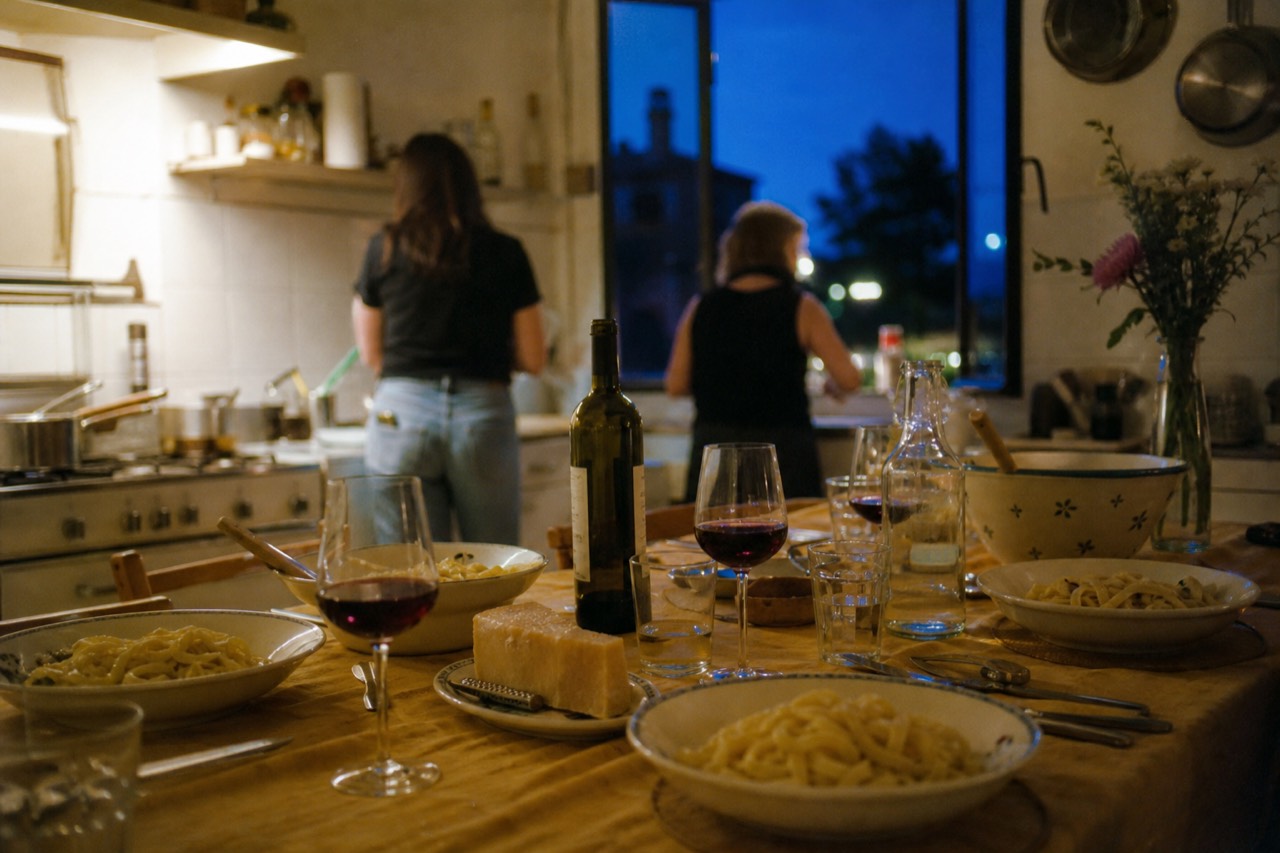
The smell arrives before the lesson does: butter going brown in a pan, egg yolks going pale under a whisk, someone's dough already too wet. Three hours later the room eats what it made, for roughly what a trattoria dinner costs. That is the whole argument.
At A Glance: Rosso Crudo combines fresh pasta, tiramisu and the meal you prepare in a 2.5-hour class. Explore Florence Pasta & Tiramisu Cooking Class with Unlimited Wine
What Are You Actually Buying For The Fee?
A holiday cooking class commonly combines hands-on instruction, ingredients and equipment with eating what you make. Duration, aprons, drinks and the menu vary by operator: the verified Florence city examples here range from 2 to 3.5 hours.
Compare the included instruction, ingredients and equipment, then check the details that matter to you: drinks, dessert, group size and travel. None of these holiday sessions is professional training, so weigh a short class against culinary training before judging the fee. Related reading: a short class against culinary training.
Read the last column and the value question becomes clearer: choose the extra that matters to your party. A gluten-free menu is different from confirmed celiac-safe preparation; ask the operator about cross-contact controls before booking. For children, confirm the selected class’s age policy rather than assuming all family formats suit every age.
Is The Demand Real, Or Is This A Tourist-Trap Format?
Real, and growing. Seventy percent of Italians took at least one holiday in the past three years with food, wine or typical products as the primary motivation, up 12% on 2023 and 49% on 2016. That is domestic demand, not tourist demand, which is the strongest signal a food format is not a gimmick.
The figure comes from the 2025 Italian Food and Wine Tourism Report, the annual study tracking culinary travel in Italy, and the coverage of its findings puts the growth curve plainly. When locals in the country that invented the cuisine build holidays around it at that rate, the market has moved past novelty.
Scheduled sessions and a choice of formats make it possible to compare operators before booking. Read recent feedback about the specific class; a large review count alone does not show repeat attendance or guarantee quality.
How Does The Math Compare With Just Eating Out?
The cited city-school comparison quotes €80 to €150 per guest, but whether that equals your dinner budget depends on where and what you would otherwise eat. Compare the class quote with your own meal plan and the value you place on instruction.
A class can replace a meal if its included menu suits your party. The verified pasta classes end with eating what you make; check the specific drinks and courses instead of assuming every session includes a multi-course dinner and soft drinks.
Florence’s historical listings include lower headline prices than the cited city-school range, but different currencies, dates and inclusions prevent a direct like-for-like comparison. What a class costs across Italy explains the wider formats; compare current quotes in one currency. Related reading: What a class costs across Italy.
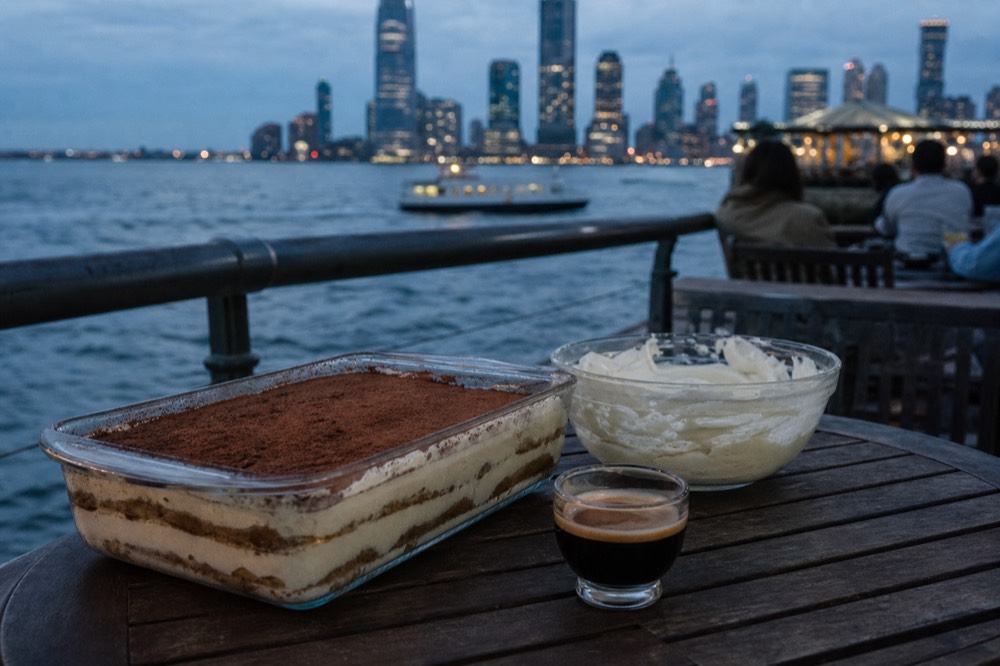
The double-skill sessions combine pasta and dessert making in one lesson. Their value depends on whether you want to practice both skills; menu, duration and total cost distinguish the pasta-and-tiramisu pairings. Related reading: the pasta-and-tiramisu pairings.
When Is A Cooking Class Not Worth It?
Two cases matter most: a day already loaded with timed bookings, and travellers who dislike group cooking. A shorter class may help with timing, while a smaller shared class still involves other guests; neither change automatically fixes a poor fit.
The itinerary problem is common. Florence tempts people into a museum slot, a viewpoint and a train in one day, and a class does not fit the gaps. Book it on a day with nothing fixed after it, or let a two and a half hour session be the afternoon. How long these sessions actually run is worth checking first.
The group problem is real. A capped class can reduce the number of people sharing the kitchen, but it remains a group class. The capped chef-led sessions publish a maximum of 13 guests; anyone wanting no other guests should seek an explicitly private booking. Related reading: the capped chef-led sessions.
| Your situation | Worth it? | What to book |
|---|---|---|
| Three or more nights in one city, want one memorable evening | Yes | A city pasta class whose duration and current quote fit your day |
| One day in Florence with a museum slot and a train out | Rarely | Skip it, or make a 2h30 class the whole afternoon |
| You dislike cooking around strangers | Only if a shared class still appeals | A chef-led session limited to 13 guests |
| Travelling with children | Yes | A family class that pours juice for kids, wine for adults |
| Celiac or strictly gluten-free | Only after the operator confirms suitability | Confirm the gluten-free menu and cross-contact controls with the operator before booking |
| You want a day out of the city | Yes | A Tuscan farm class with transport both ways |
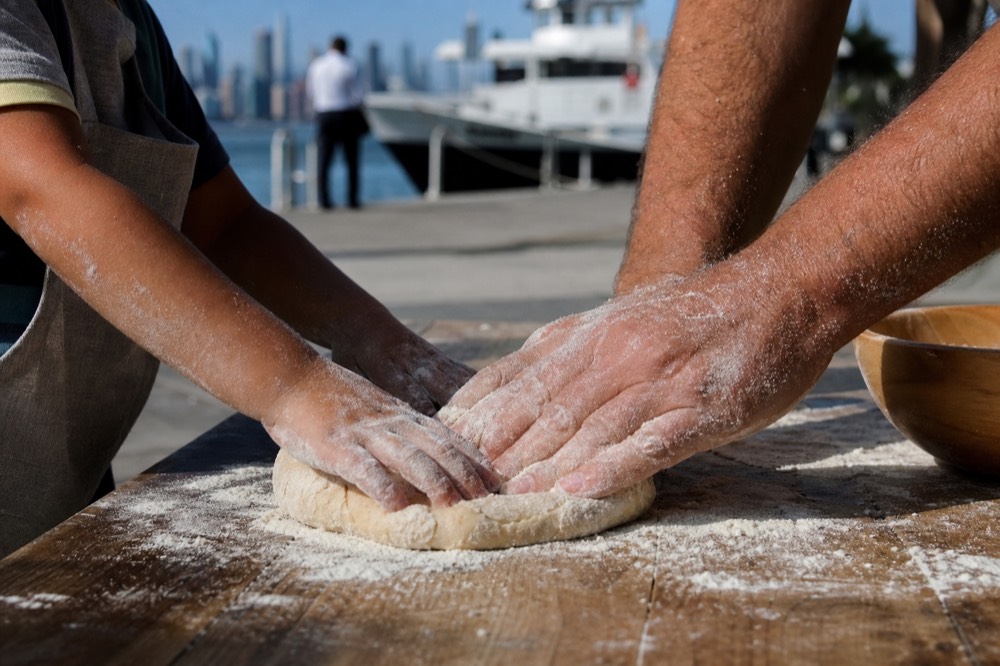
Two rows point outside the standard format. Classes built around kids and the farmhouse option outside the city exist because the default class fails those travellers.
Does Florence Change The Answer?
Florence offers several different formats: a short city pasta class, pasta with tiramisu, a smaller chef-led group or a countryside outing. Choose by the experience and current quote; historical review totals do not guarantee a particular class will suit you.
Review volume gives you more past experiences to read, but it does not establish future quality or current group size. The written experiences are most useful when they describe the aspects that matter to you: instruction, atmosphere and the meal.
Cancellation conditions depend on the selected option. The farm trip advertises 5–7 hours, so it occupies more of the day than a short city class.
For the Florence-specific version, the city-level worth-it breakdown runs the same question on Florence numbers alone, and the full Florence class lineup puts all ten prices on one screen.