Tuscan Farmhouse Cooking Classes From Florence: The Day In The Hills
A countryside cooking day with return travel from Florence and pizza or pasta plus gelato.
 By Andrea Bianchi, Florence pasta-making instructor
Short answer
The Walkabout farm outing includes return travel from a Florence meeting point, pizza or pasta, gelato and a meal. GYG lists 5–7 hours by option and Viator lists 5 hours. Add accommodation travel and confirm the selected menu, date and age rules.
The van pulls out past the ring road and within twenty minutes the city stops being a city. Cypress lines, an olive terrace, a farm track that rattles the windows. By the time anyone touches flour, half the group has already stopped checking their phones, which is roughly the point of the whole exercise.
At A Glance: Make pizza or pasta and gelato at a Tuscan farmhouse with return travel from Florence included. Explore Pizza or Pasta Class with Gelato at a Tuscan Farm
The Tuscan farm day changes both the setting and the time commitment. Return transport from a Florence meeting point is included; GYG lists 5–7 hours by option and Viator lists 5 hours. Compare your current group quote with a city class and add accommodation travel to either plan.
What follows is an honest comparison, not a sales pitch for the more expensive option. There are travellers for whom the city class is plainly the better buy, and we say so in a table below. But the countryside day is a different kind of afternoon, and the difference is not just scenery.
What Does A Farm Day Give You That A City Kitchen Cannot?
The farm adds countryside scenery, return transport, pizza or pasta, gelato and a meal. Choose the exact option and allow its listed duration:5–7 hours on GYG, or 5 hours on Viator, plus your journey to the meeting point.
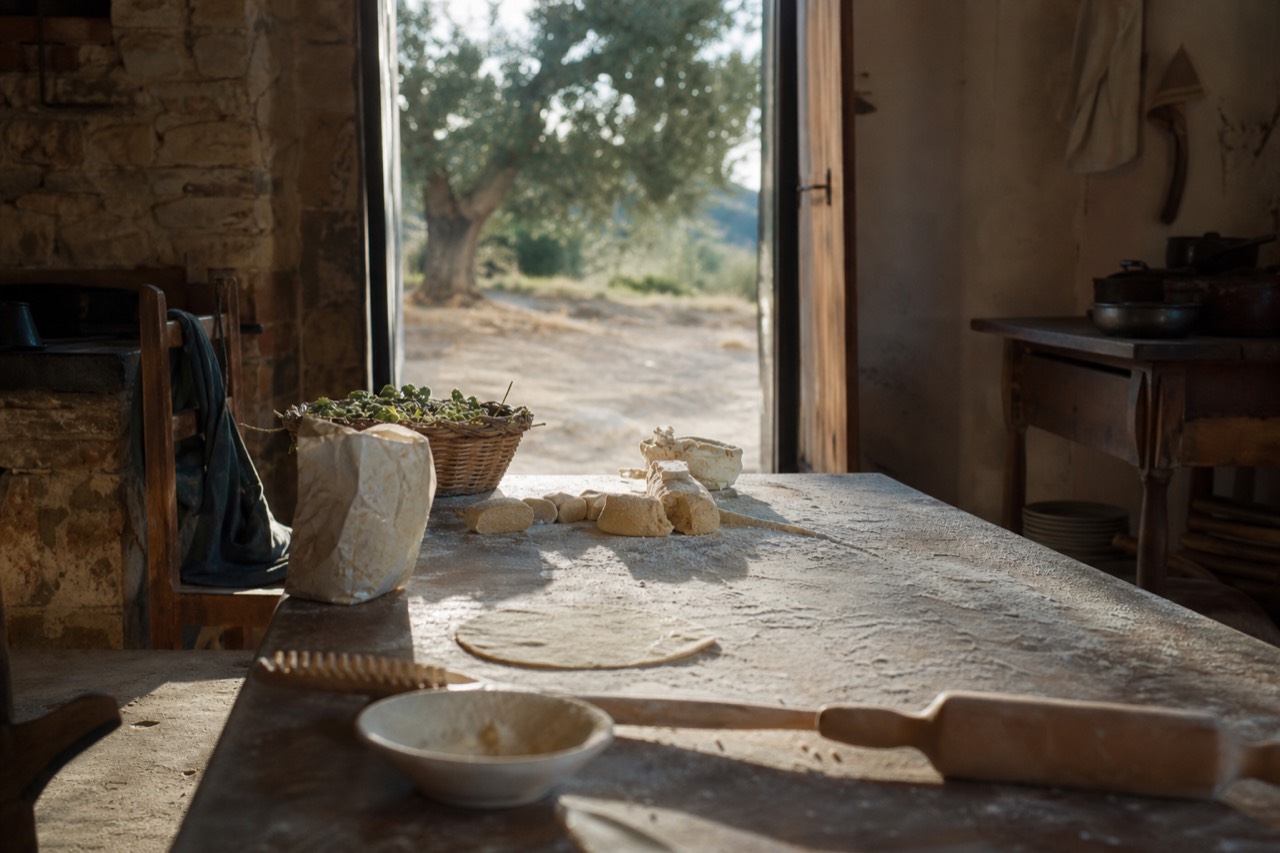
Start with the thing nobody puts on a listing: room. A historic-centre kitchen in Florence is working inside a building that was not designed for a cooking class, and often not designed for a kitchen. Benches are tight, the group works shoulder to shoulder, and the windows look at another wall. Out in the hills the constraint disappears. Long tables, doors that open onto something, and enough bench per person that you can actually flour a working area without touching your neighbour's dough.
The farm outing needs a substantial block of time, whereas a shorter city class can leave room for other visits. Use the exact ticket duration and add travel from your accommodation before arranging museums or dinner.
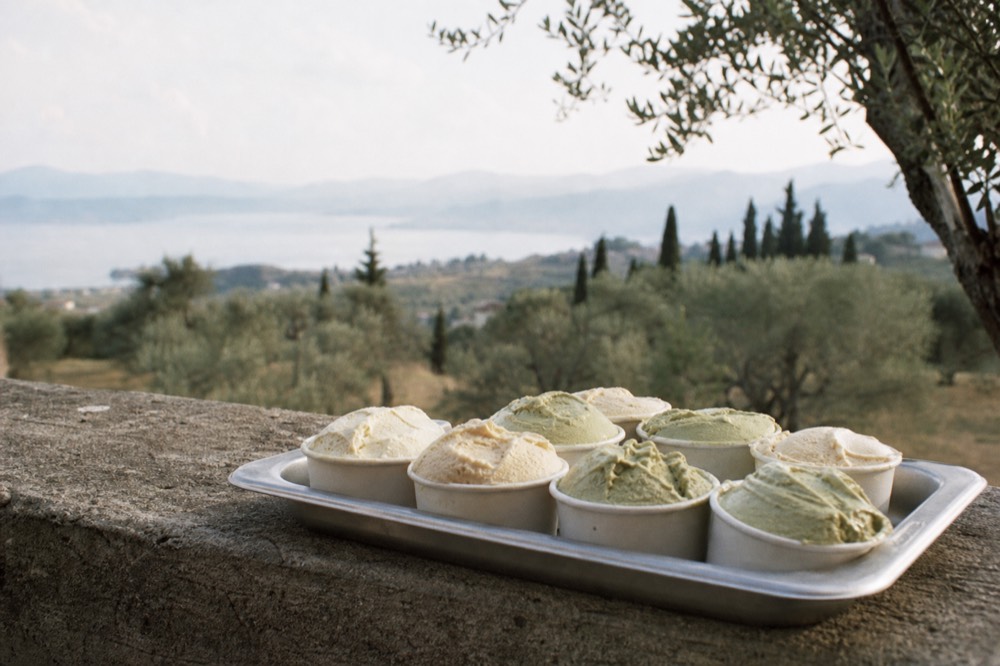
The gelato matters more than it should. Making pasta or pizza and then making frozen custard uses two completely unrelated skill sets, and the second one lands with children and with adults who have quietly decided they are not cooks. It is the part of the day people describe afterwards.
Return travel from a central Florence meeting point is part of the farm experience. A fair cost comparison includes the actual city alternative and any transport your party would otherwise need.
How Does The Countryside Day Compare With Three Hours In Town?
Compare the selected farm ticket with a shorter city class using current prices for the same party. The farm bundles return transport and gelato; city lessons can fit around other sightseeing with less time committed.
Laid out beside each other, they stop competing and start looking like two different products, which is what they are.
| Line item | Tuscan farm day | Classic city class |
|---|---|---|
| From price | $93 | $37 to $58 |
| Time commitment | 5–7h by GYG option; Viator lists5h; add accommodation travel | 2h30 to 3h30 |
| Travel | return transport from Florence included | you make your own way, usually a short walk |
| What you cook | pizza or fresh pasta, your choice, plus gelato | fresh pasta, sometimes with tiramisu |
| Drinks | wine and beer | unlimited wine and soft drinks on several listings |
| Recipes home | recipes included | not itemised on most listings |
| Rating and reviews | 4.9 across 1,572 | 4.9 across 14,815 for the biggest classic |
| Free cancellation | up to 24 hours ahead | up to 24 hours ahead |
| Best fit | families, groups, repeat visitors | first-timers, short stays, tight schedules |
| Operator | Walkabout Tours | varies by class |
Time is one of the most useful comparisons: the selected farmhouse ticket may take five to seven hours, while a city family or Rosso Crudo lesson lists two and a half. Choose how much of your Florence day you want to spend on cooking and travel.
The second is the review base. The big city classic has 14,815 reviews at the same 4.9 rating, roughly nine times the farm day's 1,572. Both numbers are strong. But when two products rate identically, the larger sample is the safer bet on a night you cannot afford a disappointment, and the smaller sample is where the more distinctive experience usually hides. That trade sits underneath most travel decisions and almost nobody says it out loud.
If you want to weigh both against everything else in the city, our ranked shortlist of Florence classes puts all ten side by side, and you can see dates and the current price for the farm day while you decide.
What Does The Day Actually Look Like, Door To Door?
Allow 5–7 hours for the selected GYG option or 5 hours for the Viator listing, plus accommodation travel. Viator describes an approximately 15-minute coach ride to the farmhouse; no minute-by-minute timetable is published for cooking and the meal.
We will not print clock times an operator has not published. What we can map is the order of the day, what each stage replaces from a city class, and what you want in your bag for it.
| Stage | What happens | What it replaces in a city class | What you want on you |
|---|---|---|---|
| Meeting point in Florence | group forms, transport departs | the walk to a door in the centre | closed-toe shoes, a light layer |
| The drive out | city gives way to hills and olive terraces | nothing, this stage does not exist in town | a camera, motion-sensitive travellers should sit forward |
| Arrival and orientation | the kitchen, the bench, the plan for the day | the two-minute welcome at a city bench | tied-back hair, sleeves you can push up |
| Hands-on cooking | pizza or fresh pasta, made by you | the same, in a smaller room | willingness to get flour on you |
| Gelato | a second, unrelated technique | rarely offered at this price in town | an appetite you have not spent |
| The meal | you eat what you made, with wine and beer | the same, usually with unlimited wine | time, this is not a stage to rush |
| The drive back | the hills unwind, the group is quieter | nothing | nothing, this is the easy part |
The coach journey adds a change of setting as well as transport. If avoiding travel matters more than the countryside, a city class leaves more of your day free; compare the complete programme lengths before choosing.
Wear comfortable clothes and practical shoes. The farm listing on Viator sets a minimum age of eight and excludes guests with walking disabilities or wheelchairs because of uneven surfaces; it also cannot accommodate food allergies or gluten-free requirements.
For the pure question of how much of your day any format eats, we broke the whole city down in how long a class actually runs.
Pizza Or Fresh Pasta: Which Should You Choose At The Farm?
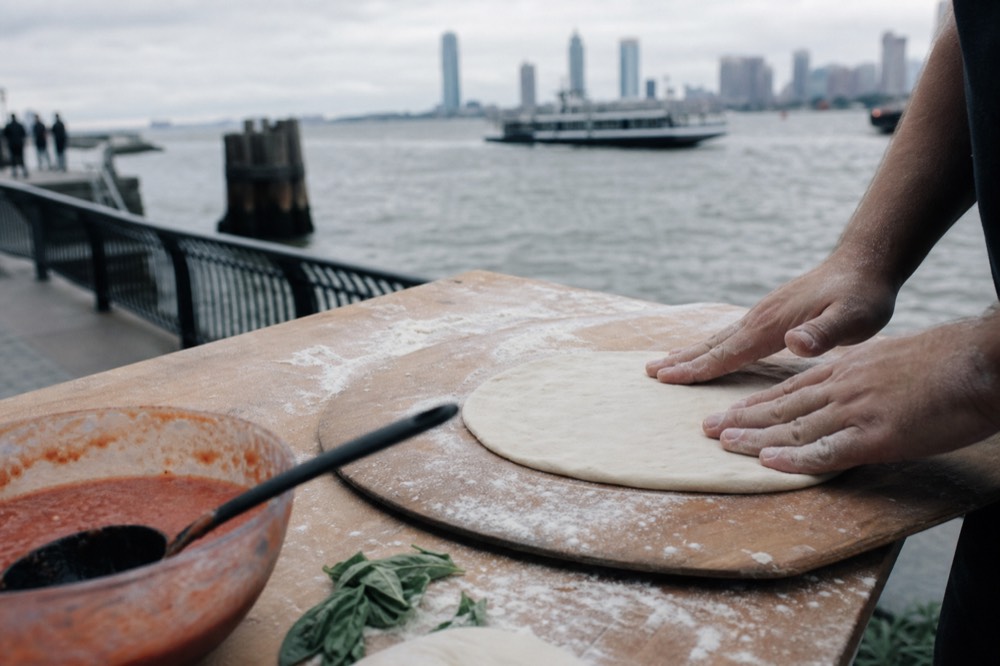
Pick pizza if children are cooking, if you want a skill you will repeat at home, or if you have already made pasta on this trip. Pick pasta if you want the Tuscan tradition, if the group is adult, or if you care more about technique than about dinner. The listing gives you the choice and does not publish which shapes the pasta side covers.
This is the decision people put off until the morning of, and it is worth five minutes of thought because the two options teach genuinely different things.
| What you care about | Pizza | Fresh pasta |
|---|---|---|
| Cooking with children | easier win, shaping and topping is instantly satisfying | works, but rolling and cutting asks more patience |
| Repeating it at home | high, most home kitchens can approximate it | high, and the kit is cheap: a board, a pin, a knife |
| Equipment you need at home | an oven that goes as hot as it can and a stone or steel helps | flour, eggs or water, a rolling pin, a bench |
| How hands-on it feels | very, dough shaping is physical from the first minute | very, and the correction curve is steeper |
| If you already did a pasta class in town | the obvious choice, a different skill on the same trip | you will repeat yourself, though a farm bench is a better bench |
| If you want the Tuscan angle specifically | Tuscan enough, but the tradition here is pasta and bread | this is where the region's own shapes live |
On that last row, the Tuscan case for choosing pasta is real. The region's own repertoire is distinctive: pici and pappardelle are the traditional Tuscan shapes, with pici the hand-rolled thick spaghetti of Siena, made from nothing but flour, water and oil, and pappardelle the broad ribbons found across the region. Head north of Florence into the Mugello and you find tortelli mugellani, square parcels filled with potato, which surprises people who assume Italian filled pasta means meat or ricotta.
That flour-and-water base is not an accident of poverty cooking, though it partly is. Egg pasta on soft wheat is the northern Italian tradition and water-and-semolina pasta the southern one, and Tuscany sits in the seam where both are perfectly normal on the same table. Pici belongs to the water side of that line, tagliatelle and pappardelle usually to the egg side.
The flour itself tells the same story. Tipo 00 flour from soft wheat carries roughly 9 to 11 percent protein and suits egg pasta and pastry, while semola rimacinata from durum wheat carries 13 to 14 percent and suits water-based doughs. That gap is why a dough made the way your class makes it behaves the way it does, and it is the single most useful thing to write down before you fly home.
What Is Included In The $93, And What Is Not?
Return transport from Florence, the cooking session, wine and beer, recipes to take home, and gelato. Apron, ingredients and equipment come as standard, as they do on every class in the city. Free cancellation runs to 24 hours ahead. Gratuities and anything you buy on the property are not itemised.
Transport is the inclusion that changes the maths, so we put the farm day beside the other classes that bundle something structural rather than just pouring more wine.
"Not itemised" is not the same as "not provided". Recipe packs and e-recipes are close to standard in the 2026 Florence market, but only some operators write them onto the booking page, and we will not promise you something the operator did not. Ask on the day if a recipe card is the souvenir you actually want.
The farm price bundles return coach travel with cooking and a meal. Compare its current quote with a city session and your actual transport needs; the gluten-free city class does not establish an included vehicle. Related reading: when the chef-led upgrade pays off.
A market-and-cooking format offers another way to spend the day. Compare the current market-inclusive ticket with Pastamania’s kitchen lesson, remembering that Pastamania lists a mandatory€ 20 association payment in addition to its booking price. Related reading: the market tour and cooking class in detail.
Who Should Book The Hills, And Who Should Stay In The City?
Book the farm day if you are travelling with children, if you are a group of four or more, if this is a second Florence trip, or if you want one day of your holiday that is not a queue. Stay in the city if you have two nights, a museum list, a tight budget, or a party that mainly wants unlimited wine and a laugh.
The countryside day is the better product for fewer people than its reviews suggest, and the honest split runs along how much time you have rather than how much money.
Younger children may find the 2.5-hour city lesson easier to fit around meals and rest. The farm’s Viator listing sets a minimum age of eight; confirm the booked option’s rules and supervision arrangements. Do not assume the property provides play space or childcare. Related reading: cooking with kids in Florence.
For the wider question of whether any of this earns a slot in an Italian itinerary, our sibling piece on whether these classes are worth it in Italy is the one to read before you spend the day.
Does The Season Change The Day In The Hills?
Yes, more than it changes a city class. Florence's high season runs mid-May to July and again in September, with low season in August and from December to February. Average daily visitors sit at 44,000 and pass 80,000 in peak summer. Outdoor time in the hills depends on weather the operator cannot promise.
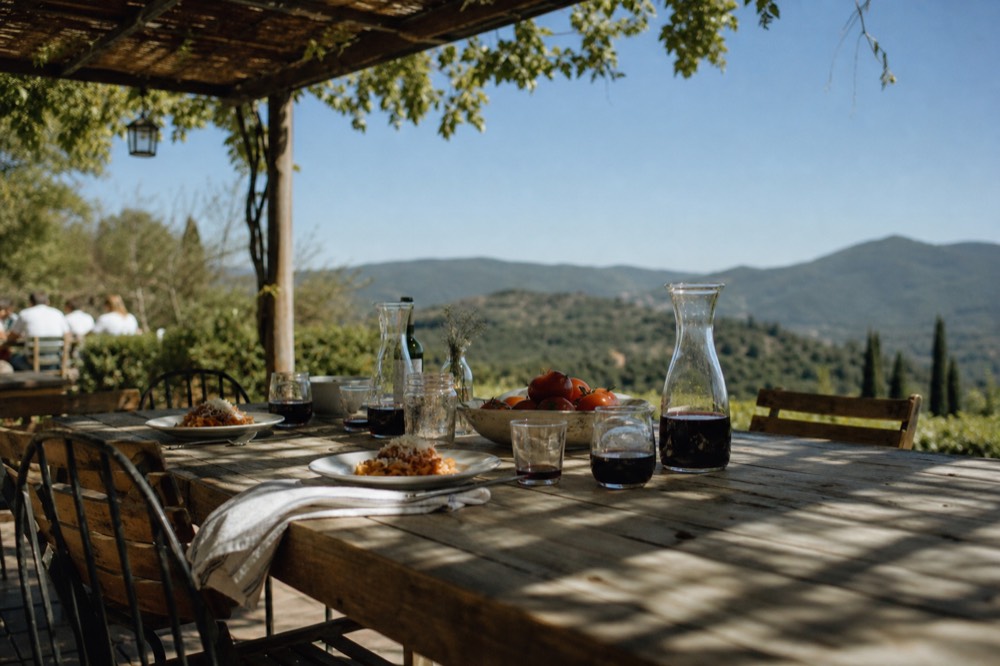
A class in a Florentine kitchen is weather-proof by definition. A farm day is only partly indoors, and the difference between eating under a pergola and eating inside a stone room is the difference between the photos you imagined and a perfectly good lunch.
| Season | What Florence is doing | What it means for the hills | Booking note |
|---|---|---|---|
| Mid-May to July, high season | daily visitors climb past 80,000 at peak | the escape value is at its highest, terraces at their best | check the selected date before arranging other visits |
| August, low season for visitors | the city empties of some crowds, heat is at its worst | the drive and the shade are worth more than usual | check the operator's schedule when you book |
| September, high season again | volumes rebuild, weather softens | arguably the best combination of the year | early booking still pays |
| October to November | shoulder conditions, fewer queues | harvest light, higher chance of a wet table | ask what happens if the weather turns |
| December to February, low season | quietest months, short daylight | the day is shorter on light, longer on comfort indoors | check the winter schedule for your date |
The farm ticket’s cancellation deadline matters when planning around uncertain weather. A refund at least 24 hours before the start does not cover every later change, and party size affects which sessions can fit your group.
One thing to confirm rather than assume: what happens to the outdoor portion if it rains. The listing does not publish a wet-weather plan, so if the pergola is the reason you are booking, ask the operator before you pay rather than after.
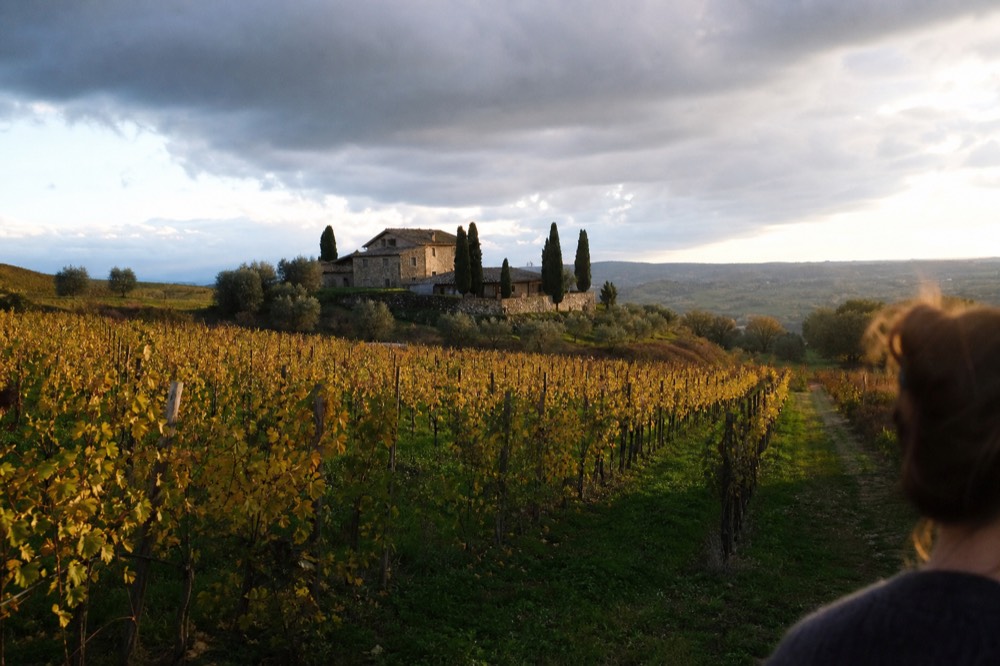
The countryside format combines cooking, a meal and the journey into the hills in one outing. Shorter city formats leave more time for Florence sightseeing. Related reading: the farmhouse day trips on our shortlist.
If your day cannot spare five hours, the market-morning classes and the family and special-diet kitchens cover the city formats that come closest, and every class in Florence compared sits on one page with live prices attached.
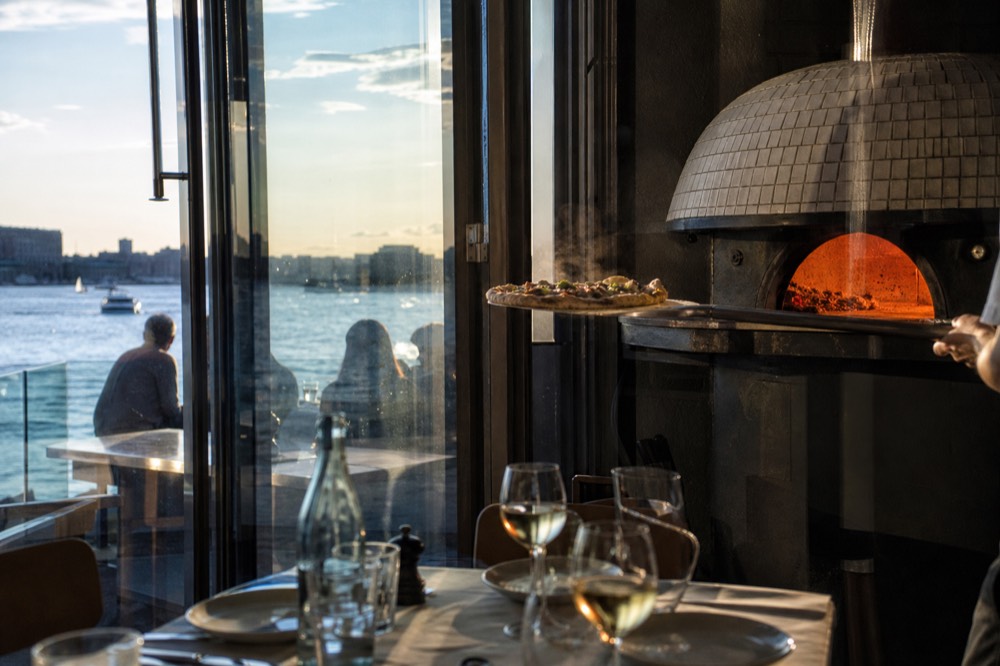
Choose Your Florence Class
Set aside the selected farm outing, then check the farm session for your date before arranging transport or another timed visit.
Pizza or Pasta Class with Gelato at a Tuscan Farm
Choose pizza OR pasta class; gelato in either option; Pasta option describes two shapes and sausage ragu/butter-sage sauces.
5–7 hours. English option. Florence group meeting; booked pizza or pasta option controls time/location. Choose pasta or pizza. Not suitable for food allergies, gluten-free diets or walking difficulties. Viator counterpart sets a minimum age of eight; confirm the selected GYG option.
Compare The Formats And Fit Your Day
| Experience | Time And Format | What You Get | Before Booking |
|---|---|---|---|
| Pizza or Pasta Class with Gelato at a Tuscan Farm | 5–7 hours; Shared class | Choose pizza OR pasta class; gelato in either option; Pasta option describes two shapes and sausage ragu/butter-sage sauces. | Choose pasta or pizza. Not suitable for food allergies, gluten-free diets or walking difficulties. Viator counterpart sets a minimum age of eight; confirm the selected GYG option. |
| Florence: Family Cooking Class with Wine and Drinks | 2.5 hours; Family class; check shared/private option | Make tagliatelle, ricotta-spinach ravioli and tiramisu together; children have juice and water. | Vegetarian menu; not vegan or gluten-free. Confirm the youngest participant’s eligibility. |
| Florence Pasta & Tiramisu Cooking Class with Unlimited Wine | 2.5 hours; Shared class | Make fresh pasta and tiramisu, then sit down to dinner with unlimited wine. |
Before arranging the rest of your day, check dates for Pizza or Pasta Class with Gelato at a Tuscan Farm.
Check Class Dates