Market Tour Cooking Classes: Shopping Mercato Centrale And Sant'Ambrogio First
Explore a fresh market with a guide, then cook and eat a Tuscan meal.
 By Andrea Bianchi, Florence pasta-making instructor
Short answer
Choose an option that explicitly includes the fresh-market visit. The San Lorenzo course combines shopping, a cooking lesson and lunch over five hours; Towns of Italy’s Market Tour option pairs Central Market tastings with lasagna and tiramisu. Check the itinerary for your date and leave enough time before afternoon plans.
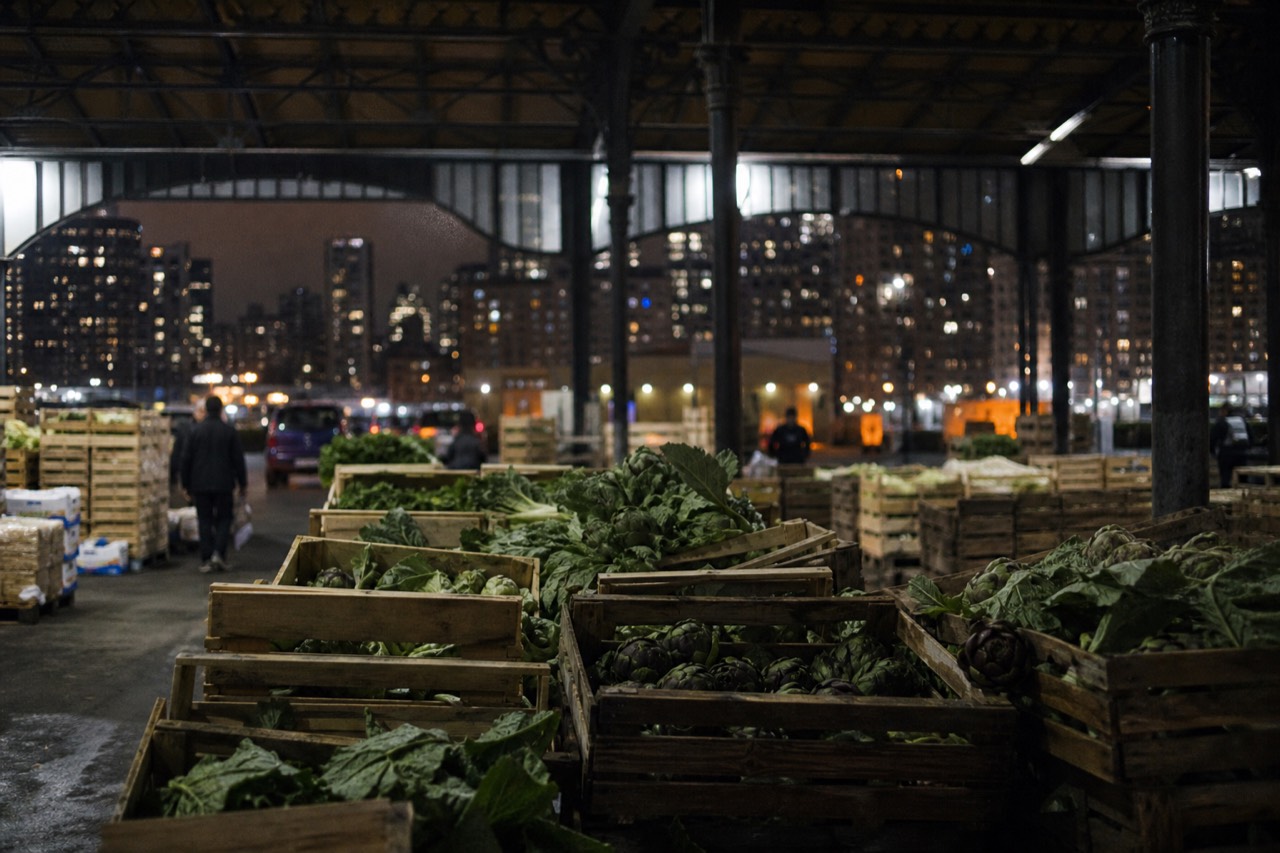
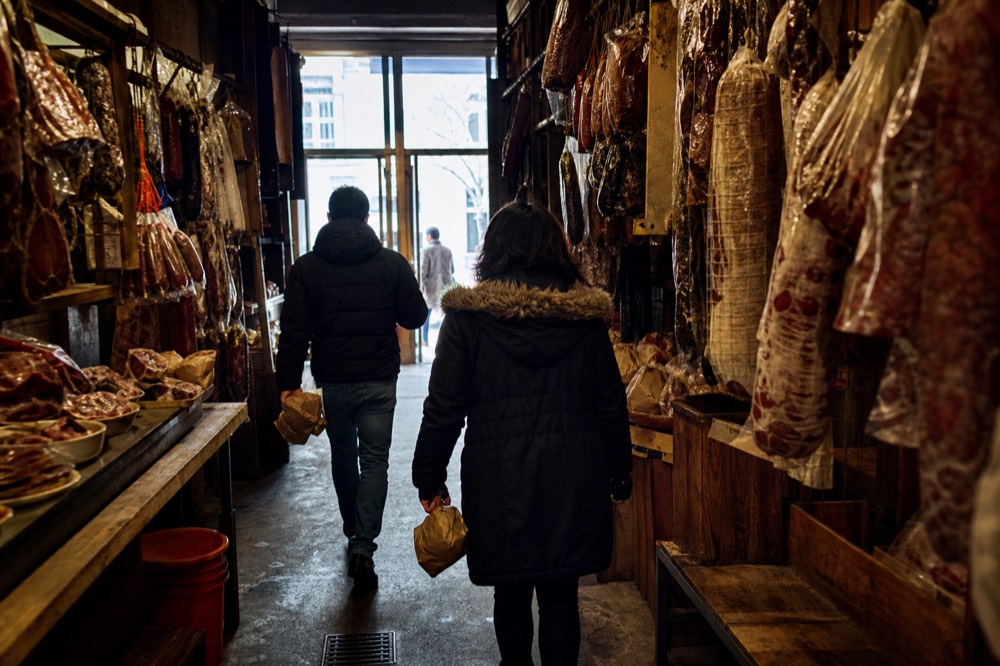
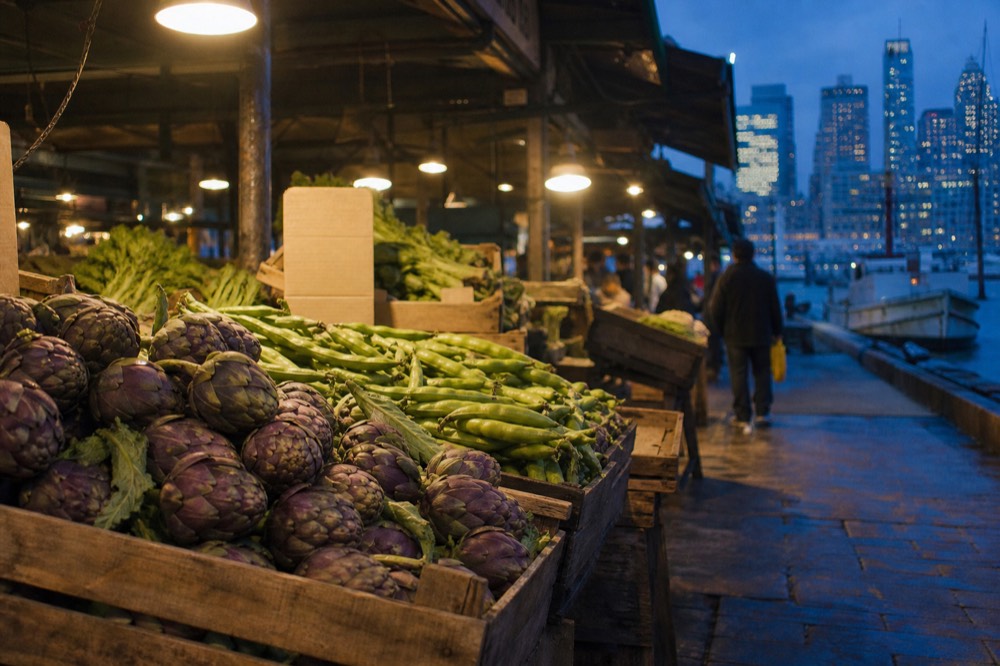
At seven in the morning the ground floor of Mercato Centrale smells of wet stone, cut parsley and the butchers' counters, and hardly anyone in it is a visitor. Vendors stack artichokes with the stalks still attached. By early afternoon that same floor is closing, shutters coming down over the fish ice, and the only food left in the building is the one upstairs.
At A Glance: The San Lorenzo market course combines ingredient shopping, a Tuscan meal you prepare and take-home recipes over about five hours. Explore Florence Cooking Course with Historic Local Market Visit
That gap between a market that opens early and a market that shuts at two o'clock is the whole reason these classes run when they run. It is not a scheduling preference. It is the only window in which the shopping half of the format exists.
A market tour class is the version where you do not walk into a kitchen and find the ingredients already portioned into bowls. You go and get them. Then you cook. That difference decides what you taste, what you learn and whether the format suits your week at all.
How Does A Market Tour Cooking Class Actually Work?
A market-and-cooking option combines a guided fresh-market visit with a hands-on lesson and the meal you prepare. Towns of Italy’s Market Tour option pairs Central Market tastings with lasagna and tiramisu; its separate fresh-pasta option does not include the market. Duration varies from 3 to 5 hours across the listing’s options.
The format has two parts: exploring a working food market with a guide, then cooking and eating in a kitchen. The precise market purchases and menu depend on the operator and option; do not assume that guests carry all the class ingredients.
A real fresh-market visit must fit the market’s opening hours, and it needs time in addition to the kitchen lesson. Use the duration of your selected option rather than assuming a universal 3½-hour format.
Check the operator and guest cap for the specific course. The San Lorenzo class lists a maximum of 15 per chef, while Towns of Italy’s Market Tour option has its own booking details. Check dates and the current price before building the rest of the day around it.
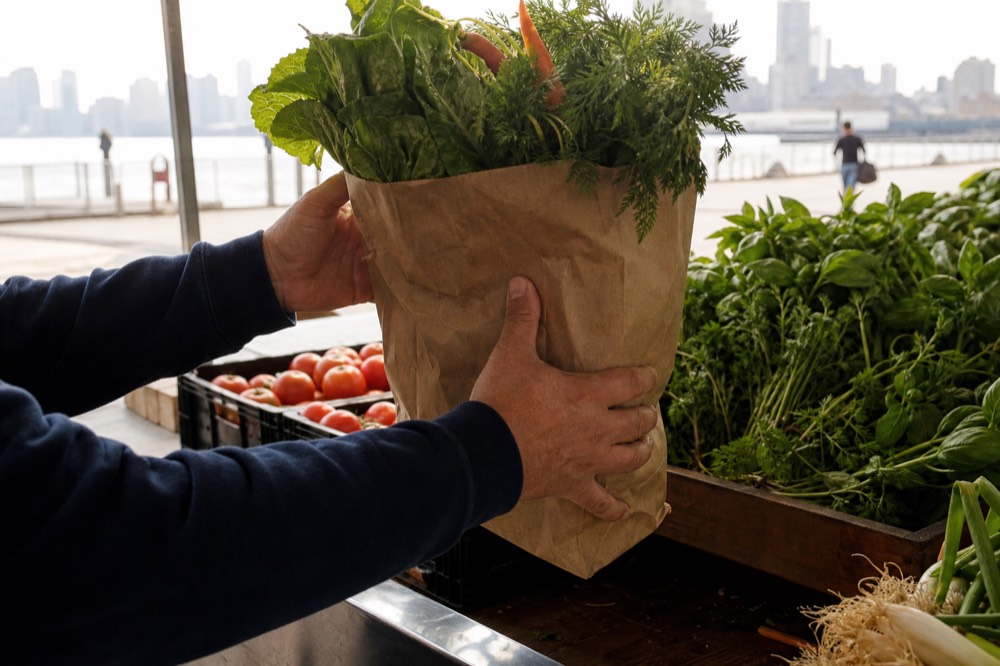
One misconception worth clearing early. You are not doing the household shopping for the class. The operator knows what the menu needs and the quantities are handled; the walk is guided buying and explanation, not a scavenger hunt with a list. Nobody hands you thirty euros and points at the fish counter. What changes is that the ingredients arrive in front of you attached to a person, a counter and a reason, instead of appearing pre-weighed in a stainless bowl.
The other thing that changes is noise. A working market at nine in the morning is loud, wet underfoot, and full of people who are not on holiday and are trying to get past you. Some travellers love that and describe it as the best hour of the trip. Others find it stressful and would have preferred to start in a quiet kitchen. Knowing which of those you are is most of the booking decision.
The shape below is what the format looks like from the inside. Exact minute splits are the operator's to set and vary by day, so treat this as sequence rather than a stopwatch.
| Stage | What happens | What it asks of you |
|---|---|---|
| Meet | Group forms near the market, chef introduces the menu | Arrive early, the market is busy and loud |
| Market walk | Stall by stall through fresh produce, cheese, cured meat | Standing, walking, tasting on your feet |
| Tastings | Small bites at the counters as you go | Come hungry but not full, lunch is later |
| Buying | The day's ingredients are collected for the menu | Free hands, a tote is useful |
| Kitchen | Dough, shaping, sauces, the rest of the courses | Closed-toe shoes, sleeves you can push up |
| The table | The multi-course meal is served with wine | A seated meal after the walk and cooking lesson |
The practical read: this is a class with a walking component, not a walking tour with a snack. If you have knee trouble or you are travelling with someone who cannot stand for a long stretch on stone floors, the standard classes start in the kitchen and stay there.
Why Does Every Market Class Run In The Morning?
Fresh-market visits normally use the morning trading window. Confirm the selected option’s day, departure and treatment of closures: a class can operate without its usual market visit, so a Sunday class does not necessarily include the same itinerary.
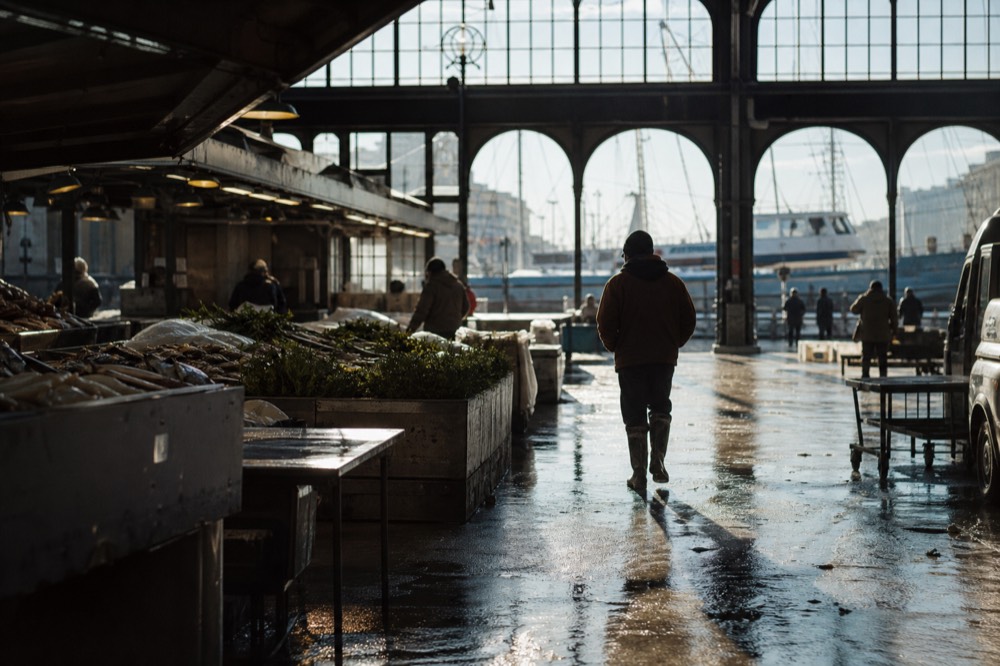
Mercato Centrale's ground-floor fresh market runs Monday to Saturday, 7am to 2pm, and shuts on Sundays. Sant'Ambrogio keeps the same trading hours and the same Sunday closure, and has done since 1873. There is no evening version of a Florentine fresh market to build a class around. The upstairs food hall at Mercato Centrale is a different animal, open every day from 9am to 11pm, but it is a food hall of artisan stalls rather than a produce market, so it does not solve the problem for a class that needs vegetables and fish at their best.
This has a knock-on effect on your itinerary that people underestimate. A morning class takes the whole first half of your day and hands you back a version of yourself that has already eaten a multi-course meal with wine. That is a fine trade if your afternoon is a slow walk across the river. It is a poor one if you booked a timed gallery entry at 2pm.
| Mercato Centrale | Sant'Ambrogio | |
|---|---|---|
| Trading since | Building erected 1874 | Operating since 1873 |
| Fresh market hours | Mon to Sat, 7am to 2pm | Mon to Sat, 7am to 2pm |
| Sundays | Closed | Closed |
| Second level | First-floor food hall, daily 9am to 11pm, 20+ artisan stalls | No food hall of this kind |
| Character | Larger, iron and glass, visitor-heavy upstairs | Smaller, neighbourhood-facing, produce and stalls outside |
| Best for | One stop for meat, fish, produce and an upstairs lunch later | Watching a Florentine food market work at ordinary speed |
Which market your class walks is set by the operator, not by you. Both are legitimate. Neither is a museum. If you want the long version of what is inside the bigger one, floor by floor, our full Mercato Centrale walkthrough covers the stalls, the hours and the parts worth your time when you go back without a chef.
Market Class Or Standard Class: Which One Earns Your Three Hours?
A kitchen-only class focuses on cooking, while a market course adds ingredient context and time on your feet. Compare the current total and full duration of the exact options rather than assuming a fixed twenty-dollar difference.
If pasta technique alone is your priority, a kitchen-only format may be the better use of your time. The classic unlimited-wine class is listed at 2–2½ hours; that total includes instruction and eating, not uninterrupted hands-on work.
The market version is the better buy when the ingredient story is the point. Most travellers cannot tell a good Tuscan pecorino counter from a tourist one, cannot read what is genuinely in season, and would not know which of forty butchers to stand in front of. That is the thing being sold. The pasta is the second half.
| Market tour class | Standard class | |
|---|---|---|
| Starts from | $58 | $37 |
| Typical length | 3–5h, option dependent | 2–2½ hours, option dependent |
| Time in kitchen | Varies by operator and selected itinerary | Cooking instruction and the meal; not uninterrupted hands-on work |
| Time on feet | Substantial market walk | Kitchen standing only |
| Day slot | Market option must fit fresh-market opening hours | Morning, afternoon or evening |
| Sunday | Verify whether the market segment runs | Check the date-specific class calendar |
| You take home | Technique plus how to shop for it | Technique |
| Best for | First-timers in Italy, food-led travellers | Anyone short on time or budget |
The comparison against the wider Florence lineup is worth seeing in one place, because the market class is not the cheapest, not the priciest, and not the most reviewed. It sits deliberately in the middle.
There is a quieter argument for the market version that price comparison misses. Cooking classes are a crowded category in Florence and the cheap classics are excellent at what they do, which means thousands of visitors leave the city having made the same dough in the same three hours. The market walk is the part that is harder to replicate and harder to forget. Travellers who describe these mornings months later tend to talk about the counters, not the rolling pin.
If the market visit is your priority, select the option that explicitly includes it and check the itinerary for your date. Kitchen-only classes remain a separate alternative when the market timing does not fit. Related reading: the market tour classes grouped on our homepage, the unlimited-wine classics.
What Do You Actually Taste On The Market Walk?
Tastings on the walk are small, standing bites at the counters: cheese, cured meat, oil, seasonal produce and whatever the stall is proud of that morning. They are not a meal and they are not meant to be, because a multi-course lunch follows. Come hungry, but leave room.
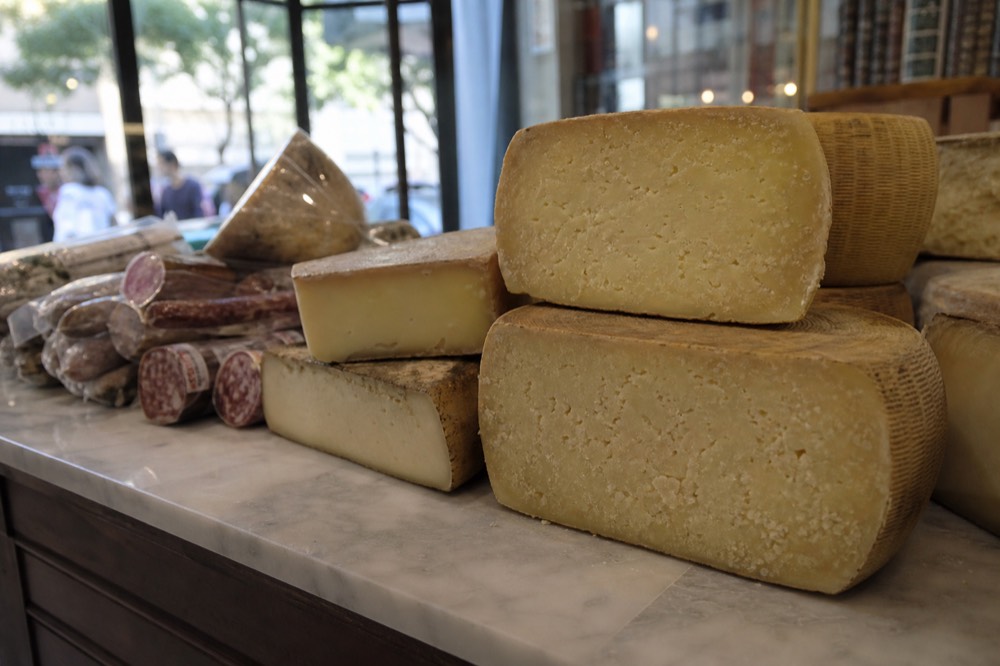
The stalls are a working food market rather than a tasting room, so what appears in front of you depends on the day, the season and the counter. Tuscan pecorino and cured meats show up in most accounts. So does olive oil, which in this region is a serious agricultural product rather than a condiment. The point of these bites is comparison. Two cheeses next to each other teach more in thirty seconds than a paragraph does.
The produce half is where the seasons bite hardest, and it is the part visitors get wrong. Florence in February and Florence in July are two different markets. Below is the general Tuscan pattern rather than a promise about your specific date, because the operator sets the menu and the stalls set the supply.
| Months | What Tuscan stalls generally lean toward | How it tends to show up in the kitchen |
|---|---|---|
| March to May | Artichokes, fava beans, asparagus, first soft herbs | Lighter dressings, butter and herb sauces |
| June to August | Tomatoes, courgettes and their flowers, basil, stone fruit | Fresh tomato sauces, quick summer plates |
| September to November | Mushrooms, chestnuts, grapes, new-harvest olive oil | Earthier sauces, richer meat ragù |
| December to February | Cabbages and winter greens, citrus, roots | Long-cooked sauces, braises, warm plates |
Treat that as the rhythm of the region, not a menu. The listing promises a market walk with tastings and a multi-course meal, and that is the commitment worth holding the operator to.
Tuscan pasta traditions include pici, pappardelle and tortelli mugellani, but these are regional examples rather than the promised class menu. Towns of Italy’s Market Tour option currently teaches lasagna and tiramisu. Related reading: Pici, the thick hand-rolled strand from around Siena, and pappardelle, the broad ribbon.
What Is Included, And What Do You Still Pay For?
The market-and-cooking options include the lesson and meal; check each listing for the exact equipment, drinks and cancellation terms. Budget separately for reaching the meeting point and any personal purchases at the stalls. The San Lorenzo course has a 24-hour cancellation deadline; its no-show and late-arrival terms are stricter.
The inclusions line is where booking pages get vague, so it helps to separate what is standard across the Florence market from what is specific to this class. Standard means it appears in every listing on this site. Specific means it belongs to the market format and is part of what the higher price covers.
| Item | Market tour class | Standard classes | Notes |
|---|---|---|---|
| Apron | Included | Included | Provided by every operator on this site |
| Ingredients | Included | Included | You do not shop for the kitchen yourself |
| Equipment | Included | Included | Boards, rollers, cutters |
| Guided market walk | Included | Not part of the format | The reason for the price gap |
| Tastings on the walk | Included | Not applicable | Standing bites at the counters |
| Multi-course meal | Included | Varies by class | You eat what you cooked |
| Wine | Included | Several are unlimited-wine formats | Non-alcoholic inclusions vary by listing |
| Free cancellation | Up to 24 hours ahead | Up to 24 hours ahead | Check each selected listing’s exact deadline |
| Transport | Not included | Not included, except the farm class | The farm class runs transport both ways |
| Tips | Not expected | Not expected | See our note on tipping at an Italian class |
Read the cancellation deadline and payment timing before booking. For the San Lorenzo course, late arrival can mean losing the class without a refund; plan enough time to reach the meeting point. Farm options include return transport, while city meeting-point classes do not imply hotel pickup.
If you would rather be in a kitchen with a glass that keeps getting refilled and no walking at all, the big classic class is the one to check live availability for, and what to wear in a working kitchen applies equally to both formats.
Who Should Book A Market Class, And Who Should Skip It?
Choose the market format if ingredient context and a walking visit appeal to you and you have the full time available. Check mobility requirements and market closures; Towns of Italy lists its class as unsuitable for vegan and gluten-free diets, including celiac disease.
The market class is not better than the standard classes. It is a different product wearing the same word. What it does uniquely well is turn one morning into a lesson about ingredients that keeps paying out for the rest of the trip, because you will read menus differently afterwards.
| If you are | Market class | Better alternative |
|---|---|---|
| First time in Italy, food-led | Strong yes | Nothing beats it for context |
| On a tight budget | No | The $37 classic class, same rating band |
| Travelling with kids | Check age and activity requirements; San Lorenzo course is 10+ | A family-format class in a kitchen |
| Free only on Sunday | Verify the date-specific itinerary | Compare kitchen-only options and verify the market itinerary |
| Wanting a half-day out of the city | No | A Tuscan farm class with transport |
| Gluten-free or celiac | Not suitable in the Towns of Italy listing | Gluten-free pasta class; confirm cross-contact procedures directly |
| Chasing technique above all | No | A small-group chef-led class |
| Wanting the most reviews behind you | No | The 14,815-review classic |
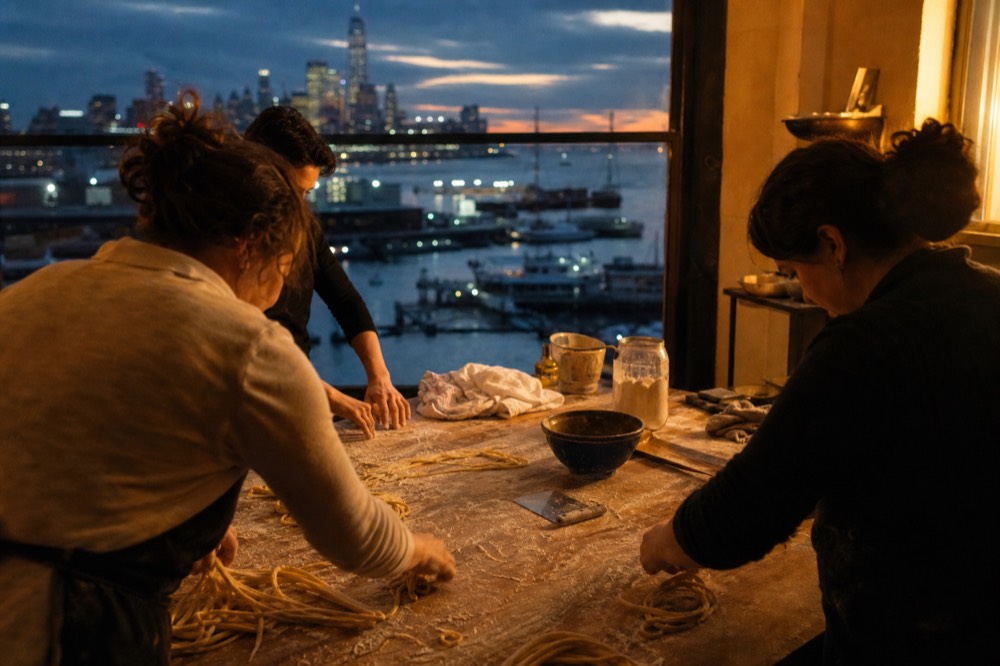
Towns of Italy specifically excludes gluten-free and vegan diets from this listing. A separate gluten-free pasta class teaches a different menu, but its published details do not establish celiac-safe cross-contact controls. Discuss individual requirements with the operator before booking.
A farm cooking day is another way to explore Tuscan food outside the city. The pasta or pizza-and-gelato options include return transport from Florence and take 5–7 hours depending on the selected option. The farm day in the Tuscan hills explains that longer format. Related reading: half day out at a Tuscan farm, the farmhouse half-day options.
For everything else, the ranked shortlist of Florence classes sorts the whole field by what each one is actually for.
How Do You Fit A Morning Market Class Into A Short Trip?
Reserve the full selected course duration and allow for reaching the meeting point. Towns of Italy lists 3–5 hours across its options; the San Lorenzo course takes about five hours, including lunch. Leave a buffer before a timed museum entry.
Check that the market visit operates on your chosen date, especially around Sundays and holidays. Once the start and end times are confirmed, build in a slower afternoon rather than stacking a timed entry immediately after lunch.
Consider taking the class early in your stay so the market introduction can inform later meals. Before booking, check the cancellation deadline and payment terms rather than treating every reservation as a free hold.
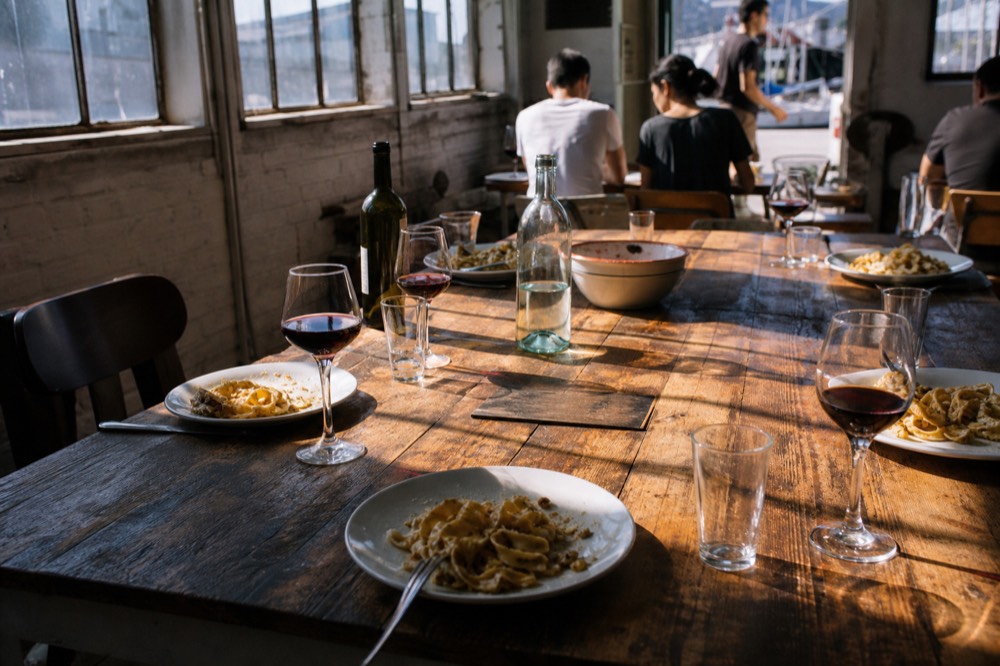
Season affects the produce you may see and how busy the city feels. It does not prove which class will sell out or when; use the operator’s actual date choices to plan your visit.
If you are still weighing formats, how long these classes actually run breaks down the real time cost including the eating, and every class in Florence compared puts the market version next to the alternatives with prices and review counts in one view. The upstairs food hall at Mercato Centrale, open daily until 11pm, is also the easy answer to what you eat on the evening of a class day, when nobody in your group wants to plan another meal.
A small bag is useful for any personal purchases, but carrying the class’s ingredients is not a verified guest requirement. Check the meeting instructions and travel lightly.
Choose Your Florence Class
Check the five-hour San Lorenzo course on your travel date before buying afternoon museum tickets; the class includes lunch.
Florence Cooking Course with Historic Local Market Visit
Visit the local market, then prepare a Tuscan meal with a chef and take home recipes.
5 hours. English option. Meet in Piazza San Lorenzo, Florence; follow your ticket time. Ages 10+. Severe/contact celiac needs are excluded by the listing. Confirm other dietary requests and market arrangements.
Compare The Formats And Fit Your Day
| Experience | Time And Format | What You Get | Before Booking |
|---|---|---|---|
| Florence Cooking Course with Historic Local Market Visit | 5 hours; Shared market and cooking class | Visit the local market, then prepare a Tuscan meal with a chef and take home recipes. | Ages 10+. Severe/contact celiac needs are excluded by the listing. Confirm other dietary requests and market arrangements. |
| Florence Cooking Class: Market Tour & Lasagna or Fresh Pasta | 3–5 hours; Shared class | Market option: Central Market visit and tastings, lasagna with Bolognese/béchamel, tiramisu, meal with Tuscan wine; Separate fresh-pasta option: pasta with seasonal sauces, gelato tasting and unlimited wine. | Book the market option for market + lasagna + tiramisu; the separate fresh-pasta option omits the market. Not suitable for gluten-free or vegan diets. |
Before arranging the rest of your day, check dates for Florence Cooking Course with Historic Local Market Visit.
Check Class Dates