How Long Is A Typical Cooking Class?
Checked Florence city classes take 2–3.5 hours; market and farmhouse formats take longer. Compare the actual option and allow travel time.
 By Andrea Bianchi, Florence pasta-making instructor
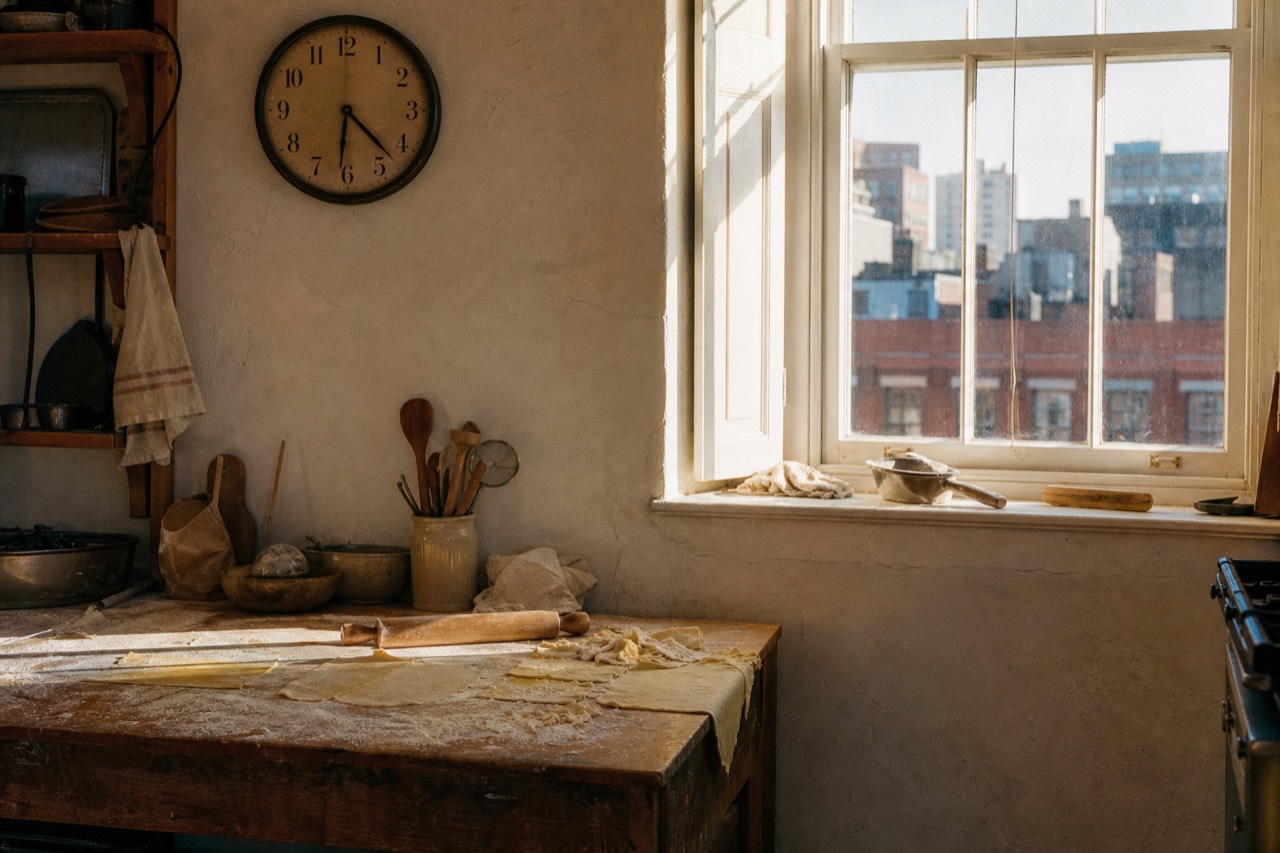
Somebody always asks it at the door, usually while pulling an apron over their head: how long is this going to take? The staff answer is a number. The honest answer is a shape: cooking first, eating last, and the eating is not an epilogue you can skip.
At A Glance: Choose 2.5 hours for Rosso Crudo, three for the chef workshop, or 5–7 for the GYG farmhouse format; leave time to reach the meeting point. Explore Florence Pasta & Tiramisu Cooking Class with Unlimited Wine
The checked city classes span 2–3.5 hours. Market classes and farmhouse outings are longer, so use the exact option duration rather than a citywide average.
How Long Does A Cooking Class Run In Florence?
The Florence with Elvis class lists 2–2.5 hours, Rosso Crudo 2.5, the chef workshop three and Pastamania 3.5. GYG market options span 3–5 hours; its farmhouse product lists 5–7 hours, including return transport.
Here is the whole field sorted by the clock rather than by price.
Choose the duration of the exact listing and option. A pasta-only class, a market visit and a countryside outing do not share one standard timetable.
Why Does The Meal Count As Part Of The Class?
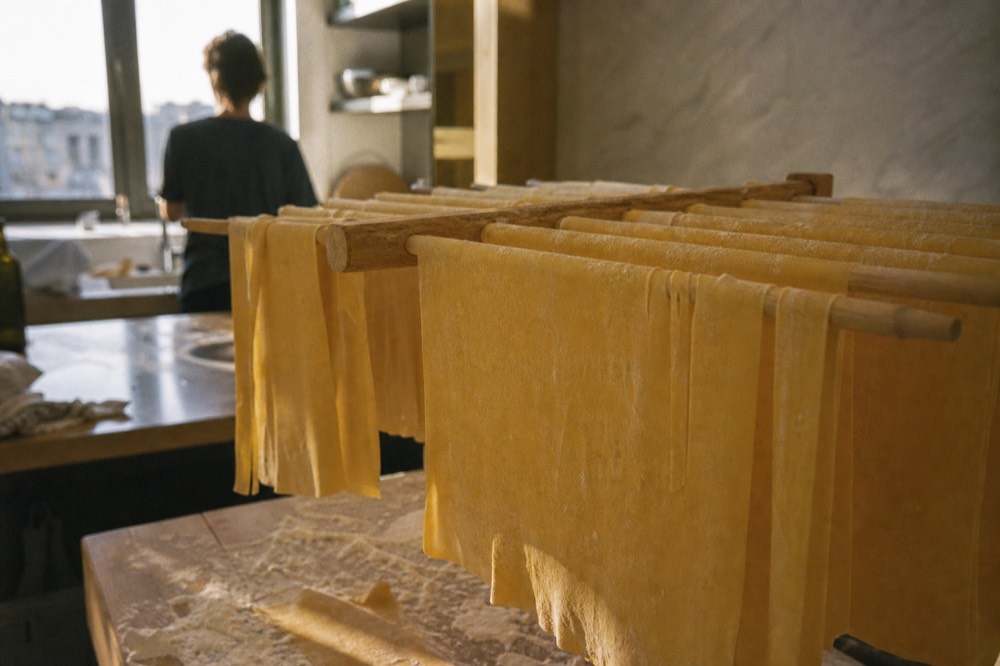
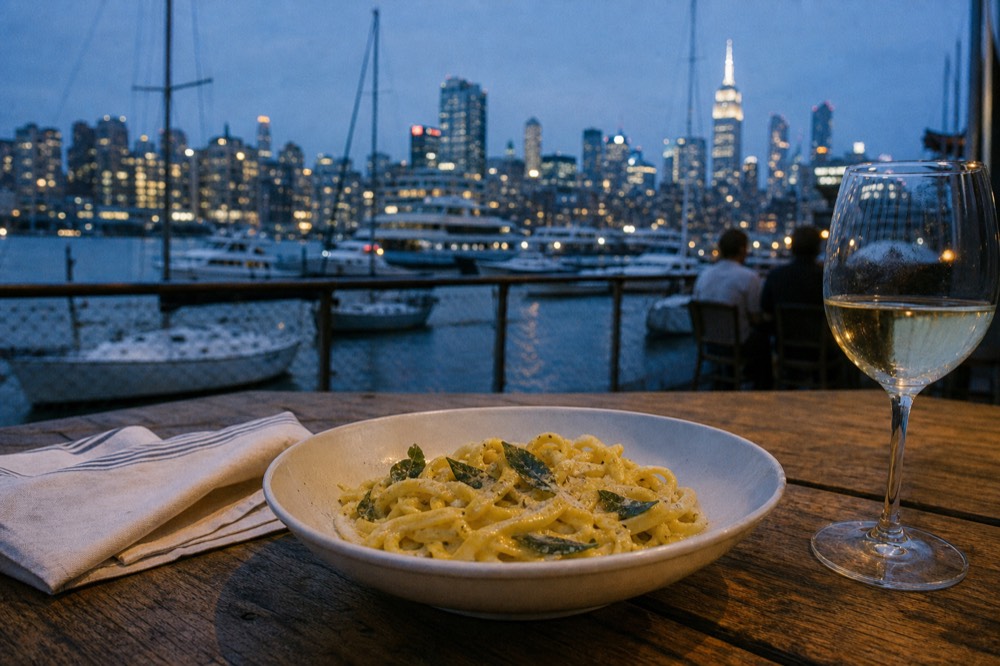
The listed class duration includes cooking and the meal. Leave time to eat what you have made rather than treating it as an optional stop after the lesson.
Fresh pasta needs the dough to relax before it will roll thin without tearing. That rest is dead time on paper, and every good operator fills it: the sauce, the dessert, a glass of wine. Then the pasta boils for two minutes, and if you have not tasted it you cannot tell whether you rolled it correctly. Thickness, salt in the water, how long the shape needed: none of that is knowable until the plate is in front of you.
The meal is a chance to ask questions about the pasta you made. Follow the equipment and clothing instructions on your selected listing, and allow additional time to reach the venue. Related reading: about three and a half hours including the meal, the dedicated gluten-free class guide in Florence, what to wear to an Italian kitchen.
What Does The Farm Day Add To The Total?
The farmhouse outing includes return transport, your chosen pasta or pizza lesson, gelato and the meal. GYG lists 5–7 hours by option; the Viator farmhouse listing specifies five hours.
The countryside format takes a substantial part of the day. Compare the complete duration with the time you want to leave for Florence itself. Related reading: the five-hour day in the Tuscan hills.
How Should You Plan The Rest Of The Day Around It?
Choose a 2.5-hour class for a compact cooking-and-meal format, or allow longer for market and farmhouse experiences. Leave a realistic travel buffer before the next timed attraction or train.
The mistake is not misjudging the length. It is forgetting that a class ends with people at a table, mid-conversation, and that leaving on the stated minute feels like walking out of a dinner party during dessert.
An early class may leave the afternoon free, but the market product varies by option and can take up to five hours. Check the actual start and end times before choosing a gallery slot. Related reading: the market morning that starts at the stalls, open every day from 9:00 in the morning to 11:00 at night, stall-by-stall guide to the food hall, the quiet stretches are August and December to February.
Rosso Crudo offers a fixed 2.5-hour pasta-and-tiramisu format. Compare that with the three-hour chef workshop or 3.5-hour Pastamania experience using the date you plan to visit. Related reading: the pasta and tiramisu pairings, the three-hour classics.
Pick the length before you pick the class, and leave time to reach the meeting point. Check the cancellation terms of the actual booking; policies are not universal. Related reading: Every Florence class compared by length and price.