Gluten-Free And Vegan Pasta Classes In Florence: Choosing The Right Format
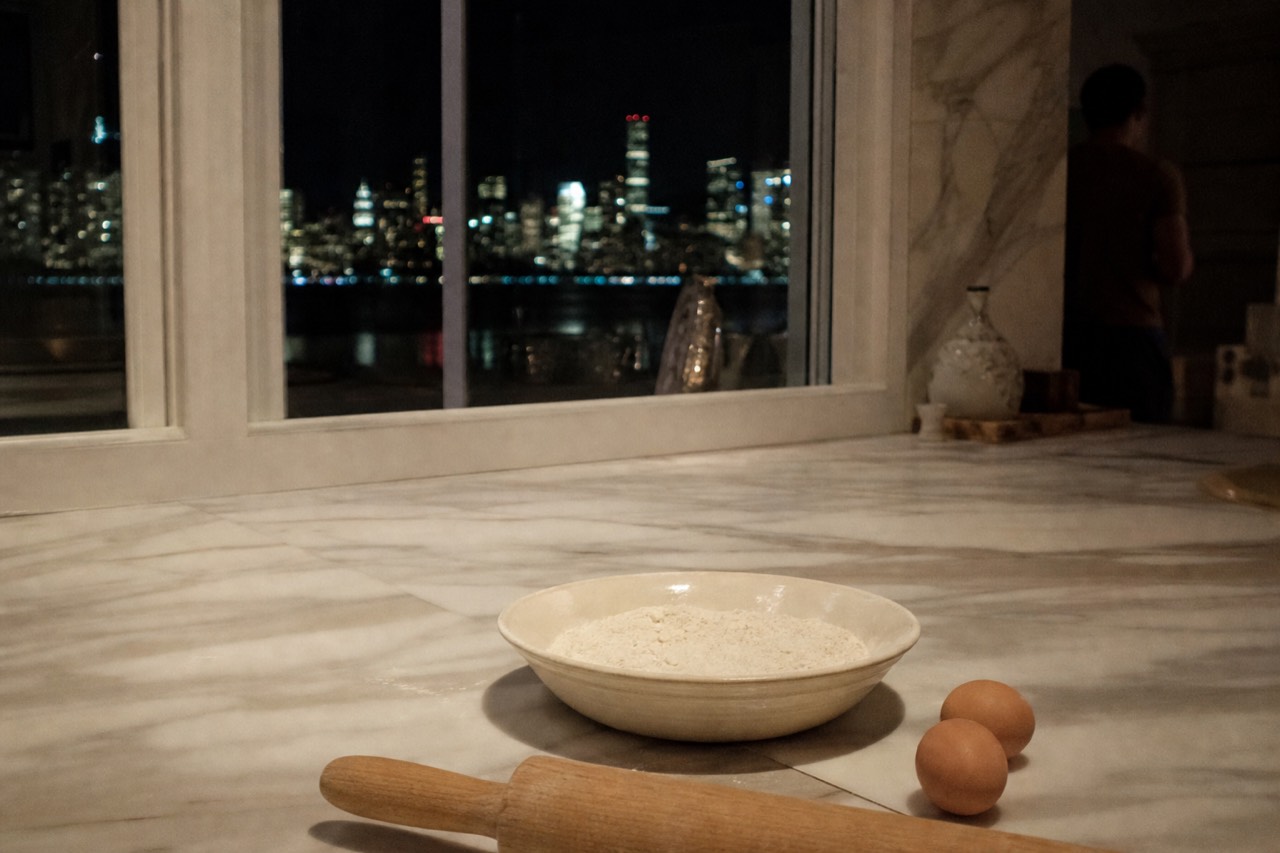
A shared rolling pin can undo a gluten-free menu, which is why the kitchen matters more than the recipe.
 By Andrea Bianchi, Florence pasta-making instructor
Short answer
Florence has dedicated gluten-free and vegan class formats. Choose by the dietary requirement, age and cancellation terms; a gluten-free menu alone does not verify cross-contact controls.
Flour dust is part of many teaching kitchens in Florence. When cross-contact matters to your diet, the preparation space and handling procedures need as much attention as the recipe. Ask the operator how your class will be organised before booking.
At A Glance: Learn gluten-free pasta techniques with Florence Untold, or compare Chef Vary’s separate gluten-free and vegan formats for your dietary needs. Explore Gluten Free Pasta Class in Florence with Limitless Wine
This page separates gluten-free and vegan teaching formats from the additional kitchen questions needed for individual dietary requirements. A menu label alone does not answer those questions.
Which Gluten-Free Pasta Classes Can You Compare In Florence?
Florence Untold offers a three-hour gluten-free pasta class with wine, water and sodas. The listing describes gluten-free ingredients and pasta making, but does not establish that the kitchen is dedicated or specify cross-contact controls. Confirm those details directly if you have celiac disease.
Florence Untold specialises this lesson around gluten-free pasta making. Reviews can help you assess teaching style and enjoyment, but they do not verify kitchen procedures or medical suitability.
A specialist gluten-free format is useful when learning the dough is the priority. Kitchen procedures and individual suitability still need separate confirmation.
There is a structural reason a class like this can exist in Florence at all. The city runs an enormous volume of hands-on cooking, enough that a kitchen can specialise in a single dietary format and still fill seats, which is not true in a smaller Italian town. Specialisation is what makes the difference between a chef who has made gluten-free dough four times and one who makes it every working day. Gluten-free dough does not behave like wheat dough under a rolling pin, and the fix is repetition rather than a better recipe.
Florence also has a cooking school offering a gluten-free class of about three and a half hours including the meal. A dedicated class describes its teaching format; ask separately whether the facilities and handling procedures meet your needs. Related reading: a gluten-free class of about three and a half hours including the meal.
What Is The Difference Between A Dedicated Kitchen And A Gluten-Free Option?
A dedicated gluten-free kitchen and a gluten-free option in a shared kitchen describe different arrangements. Ask about ingredients, equipment, preparation areas and cooking water rather than inferring the procedures from a menu label.
Ask how the class manages wheat ingredients, preparation surfaces, utensils and cooking water. Request a specific explanation of the procedures used for your session rather than assuming a substituted flour answers every cross-contact question.
Dietary requirements differ between guests. Tell the operator what you need, including any diagnosed condition or allergy, and obtain a specific response before deciding whether a class is appropriate.
| What actually matters | Dedicated gluten-free kitchen | Gluten-free option in a shared kitchen |
|---|---|---|
| Flour in the air | None, because no wheat comes through the door | Ask whether wheat flour is used nearby during your session |
| Boards, pins and cutters | Ask which tools are reserved for gluten-free preparation | Ask how shared tools are cleaned or separated |
| Pasta water | One pot, gluten-free only | Ask whether separate cooking water is used |
| Who else is at the bench | Everyone in the room is cooking gluten-free | You are the exception in a wheat class |
| What the listing tends to say | Ask for the actual kitchen procedures | "Gluten-free available on request", "can accommodate" |
| Right for a diagnosed celiac | Confirm procedures with the operator | Only after the operator confirms the specifics in writing |
Read the listing carefully, but confirm the actual kitchen procedures directly. Marketing language and ratings are not a substitute for a specific answer about preparation areas, tools and cooking water.
What Does The Gluten-Free Class Include?
The Florence Untold lesson lists three hours, gluten-free pasta ingredients and utensils, plus wine, water and sodas. Its price varies by date and option; transport and luggage storage are not confirmed inclusions.
Plan your journey to Borgo degli Albizi separately. If this is your checkout day, arrange luggage storage independently unless the operator confirms it can accommodate your bags; oversized luggage is not allowed on the listing.
Here is how the class stacks up against the two other options that suit a special-diet or family booking, so you can see what the extra cost is actually attached to.
| Gluten-free class | Family class | Rosso Crudo class | |
|---|---|---|---|
| From | $117 | $57 | $35 |
| Rating | 5.0 across 118 reviews | 4.9 across 23 reviews | 4.9 across 435 reviews |
| Length | About 3 hours | 2.5 hours | 2h30 |
| Kitchen | Gluten-free lesson; kitchen controls need confirmation | Standard shared kitchen | Standard shared kitchen |
| Drinks | Unlimited wine, water and sodas | Juice for kids, wine for adults | Unlimited wine and soft drinks |
| Dessert | Not listed | Tiramisu made in class | Tiramisu made in class |
| Transport | Not confirmed; arrange separately | Not listed | Not listed |
| Luggage storage | Not confirmed; arrange separately | Not listed | Not listed |
| Apron, ingredients, equipment | Included | Included | Included |
| Free cancellation | Up to 24 hours | Up to 24 hours | Up to 24 hours |
Compare the skills taught, meal, duration and cancellation terms when weighing the price. The special-diet and family groups serve different needs; confirm the required diet before choosing between them. Related reading: the special-diet and family classes grouped in one place.
How Does A Gluten-Free Lesson Compare On Value?
A specialist gluten-free lesson may cost more than a standard pasta class. Compare current quotes for your date and party alongside the menu, teaching format and cancellation terms, rather than treating an old starting price as a fixed premium.
Prices vary with format, inclusions and the date selected. A gluten-free lesson may teach techniques absent from a standard pasta class, but price does not demonstrate a dedicated kitchen or confirm medical suitability.
The local cooking-class overview provides another way to compare formats, but a higher price does not establish a dedicated kitchen. Compare current date-specific prices and the inclusions that matter to your group. Related reading: Local coverage of Florence's cooking scene.
Review count does not establish class size, staffing or how often the operator runs sessions. Check the published group limit when a quieter lesson or more individual attention matters.
What About Vegan, Dairy-Free And The Rest Of The List?
Vegan and gluten-free are separate requirements. Chef Vary offers a dedicated vegan pasta and bruschetta class for ages 14 and older, but explicitly excludes gluten-free diets. Combined requirements and allergies need direct confirmation before booking.
A dietary note is a request, not confirmation. Some classes explicitly exclude particular diets, so obtain a specific answer before paying rather than assuming the kitchen can adapt its menu.
The good news is that the Tuscan repertoire is unusually friendly to a vegan request, and not as a compromise. Pici, the thick hand-rolled shape most associated with Siena, is made from flour, water and oil with no egg in it at all. Ask for pici rather than tagliatelle and you are asking for the more traditional dough, not the substitute one. Pappardelle exists in both an egg version and a flour-and-water version, which gives an operator a second easy route.
Flour itself is where the gluten-free question and the vegan question part company. Italian pasta runs on two very different powders: tipo 00 soft wheat at roughly 9 to 11 percent protein for egg pasta, and semola rimacinata from durum wheat at 13 to 14 percent for water-based shapes. A gluten-free blend has to replace the structure both of those provide, which is why gluten-free dough behaves differently under a pin and why a kitchen that does it every day gets a better result than one improvising for one guest.
| Your requirement | What Florence classes generally do | What we would do |
|---|---|---|
| Diagnosed celiac | Gluten-free classes exist; procedures vary by operator | Confirm preparation, equipment and cooking-water arrangements before booking |
| Gluten-free by choice or sensitivity | Widely accommodated with substituted ingredients | Choose a class that explicitly supports your requirement and confirm in advance |
| Vegan | Chef Vary offers a vegan class for ages14+; not gluten-free | Message the operator through the listing first, ask for pici or a water-and-flour shape by name |
| Dairy-free | Usually manageable in the pasta, harder in tiramisu | Pick a class without a dessert module, or confirm the dessert can be skipped |
| Nut or other allergy | Operator policy, varies class by class | Get the answer in writing before paying, not on the day |
| No alcohol | Water and soft drinks are standard on the unlimited-wine classes | No action needed, the sodas and water are included anyway |
A vegan teaching format addresses eggs and dairy differently from a standard tiramisu lesson. The family class uses both ingredients and explicitly excludes vegans and gluten intolerance.
What Should You Ask The Operator Before You Book?
Before booking, ask about the kitchen setup, dough surfaces, cooking water, dessert, additional dietary needs and group size. These questions help you assess the operator’s procedures; they do not turn a menu description into a medical guarantee.
Ask before paying and keep the response in writing. Cancellation terms differ: the Chef Vary gluten-free and vegan products currently list non-refundable bookings, so a blanket 24-hour refund promise would be misleading.
| Ask this | Why it matters | A good answer sounds like |
|---|---|---|
| Is the whole kitchen gluten-free, or just my menu? | Clarifies the kitchen arrangements behind the menu | "The kitchen is gluten-free throughout, we bring no wheat in" |
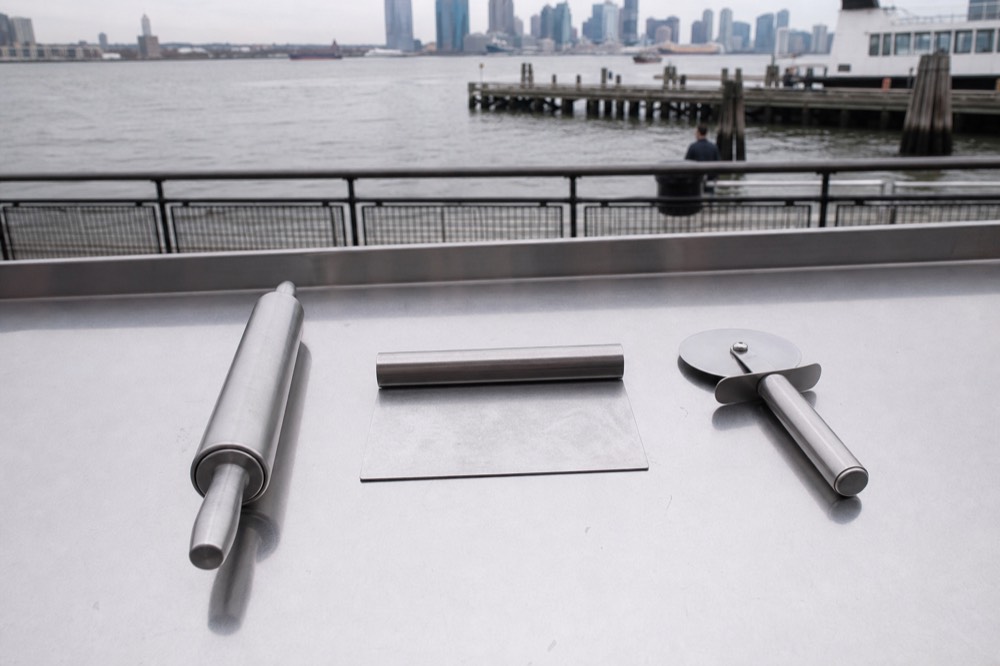
| Where will my dough be rolled? | Wooden boards and pins hold wheat flour in the grain | "Dedicated boards and pins, used only for gluten-free" |
| Which water does my pasta boil in? | Checks whether gluten-containing pasta shares the water | "A separate pot, gluten-free only" |
| Is the dessert gluten-free too? | Tiramisu is built on savoiardi, which are wheat | "Yes, and here is what we substitute" or an honest "no" |
| Can you handle vegan or dairy-free at the same time? | Two requirements stack, and stacking is where kitchens fail | A specific dish named, not "we will try" |
| How many at my bench? | Small formats give the chef time to keep your work separate | A number, ideally in single digits |
One more that costs nothing: ask what time the class actually finishes, not what time it is scheduled to end. Three hours in a listing usually means three hours of programme plus a table nobody rushes you away from. That difference has broken more train connections than any other detail on this page.
Send requirements before committing to a booking. A kitchen may need advance notice to arrange ingredients or equipment, and your confirmation should cover every dietary need in the party. Check the product’s actual cancellation terms.
Check the price for your exact date and party, and ask about any extra charge for a second dietary requirement. Confirm the kitchen arrangements and the cancellation policy before paying.
How Long Does It Take, And When Should You Go?
Allow three hours for Florence Untold’s gluten-free class, plus travel to and from the meeting point. Confirm bag arrangements separately and check cancellation terms for the option you select.
Choose the date around the operator’s actual schedule and the time needed to confirm dietary requirements. Season alone does not establish class size, price or the chance of finding a last-minute place.
| Planning point | What the listings show | What it means for your day |
|---|---|---|
| Class length | About 3 hours for the gluten-free class | Blocks half a day once you add travel either side |
| Florence norm | 3 to 3.5 hours including the meal | Do not schedule anything within an hour of the stated end |
| Transport | Not confirmed; arrange separately | Budget your own journey to the listed meeting point |
| Luggage storage | Not confirmed; arrange separately | Arrange luggage storage independently unless the host confirms otherwise |
| Cancellation | Depends on product and selected ticket | Check cancellation terms before paying; Chef Vary bookings are non-refundable |
| Busiest months | Mid-May to July and September | Reserve well ahead, especially for a small special-diet room |
| Quietest months | August, and December to February | Best odds of a late booking and a smaller group |
If your preferred session is unavailable, compare another verified gluten-free format or a different date. Establish the kitchen procedures and eligibility before switching operators; a standard pasta class is not an equivalent dietary fallback. Related reading: the unlimited-wine classics compared side by side.
For the wider picture, our shortlist of the strongest classes in the city ranks the whole lineup on reviews rather than price, and the tiramisu-plus-pasta formats explain which classes build a dessert into the same three hours. Families juggling a dietary need and a six-year-old at once should start with the family options that hold up in practice. If money is the deciding factor, what a cooking class costs across Italy puts Florence's numbers in national context, and what to wear to an Italian kitchen covers the closed-toe shoe rule before you pack. The full lineup lives on every Florence class we compared.
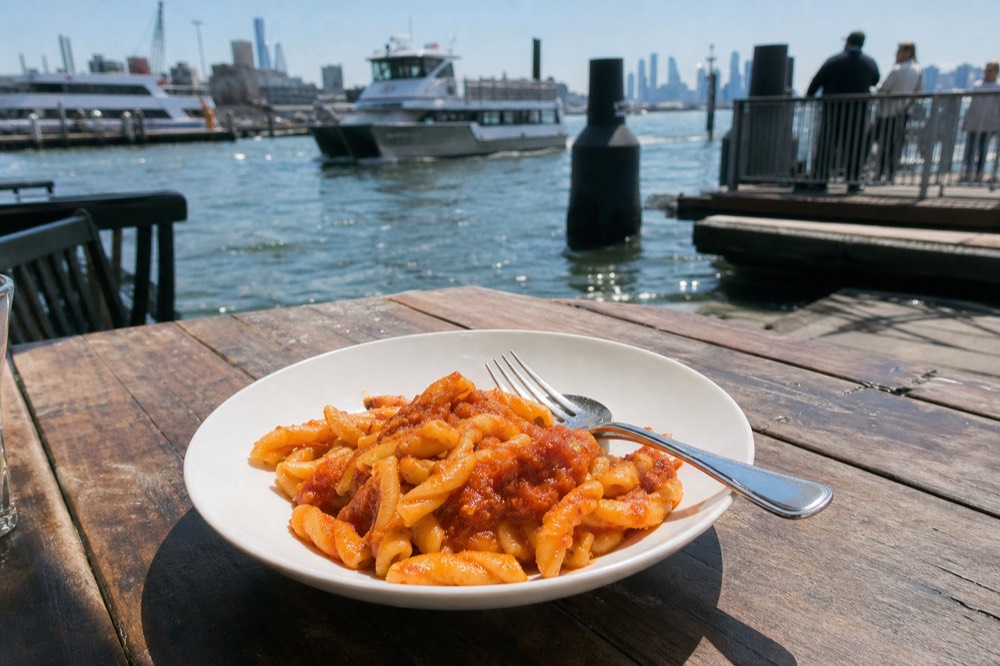
The single most useful sentence you can send an operator is this one: "I am celiac, is the kitchen gluten-free or only my menu?" The answer decides everything else.
Choose Your Florence Class
Resolve your dietary requirements and cancellation terms before paying, then choose a session that fits your Florence itinerary.
Gluten Free Pasta Class in Florence with Limitless Wine
Three gluten-free pasta types; examples ravioli, tortellini/strozzapreti, pappardelle; Cook and eat prepared pasta.
3 hours. English option. Borgo degli Albizi 68 red, inside Albizi Bistrot. For celiac needs, confirm cross-contact controls with the host; a dedicated kitchen is not established by this listing.
Compare The Formats And Fit Your Day
| Experience | Time And Format | What You Get | Before Booking |
|---|---|---|---|
| Gluten Free Pasta Class in Florence with Limitless Wine | 3 hours; Shared class | Three gluten-free pasta types; examples ravioli, tortellini/strozzapreti, pappardelle; Cook and eat prepared pasta. | For celiac needs, confirm cross-contact controls with the host; a dedicated kitchen is not established by this listing. |
| Semi-Private Gluten-Free Cooking Class in Florence with wine | 3.0 hours; Shared class | Prepare gluten-free pasta and sauces in the separate kitchen described by the operator. | Nonrefundable. Check your date and requirements before paying. Age guidance conflicts; this tool uses 16+ pending host confirmation. Confirm your own celiac requirements. |
| Small group Vegan pasta and bruschette Class with wine | 2.5 hours; Shared class | Prepare two naturally vegan pasta dishes and bruschette, then eat your work with drinks. | Nonrefundable. Check your date and requirements before paying. Ages 14+. Not gluten-free. |
Before arranging the rest of your day, check dates for Gluten Free Pasta Class in Florence with Limitless Wine.
Check Class Dates