Sant'Ambrogio Market In Florence: The Local Alternative To Mercato Centrale
Updated November 3, 2026
Sant'Ambrogio is the market Florentines actually shop at: earlier hours, lower prices, almost no tour groups, and a food court where locals eat standing up.
 By Andrea Bianchi, Florence pasta-making instructor
Short answer
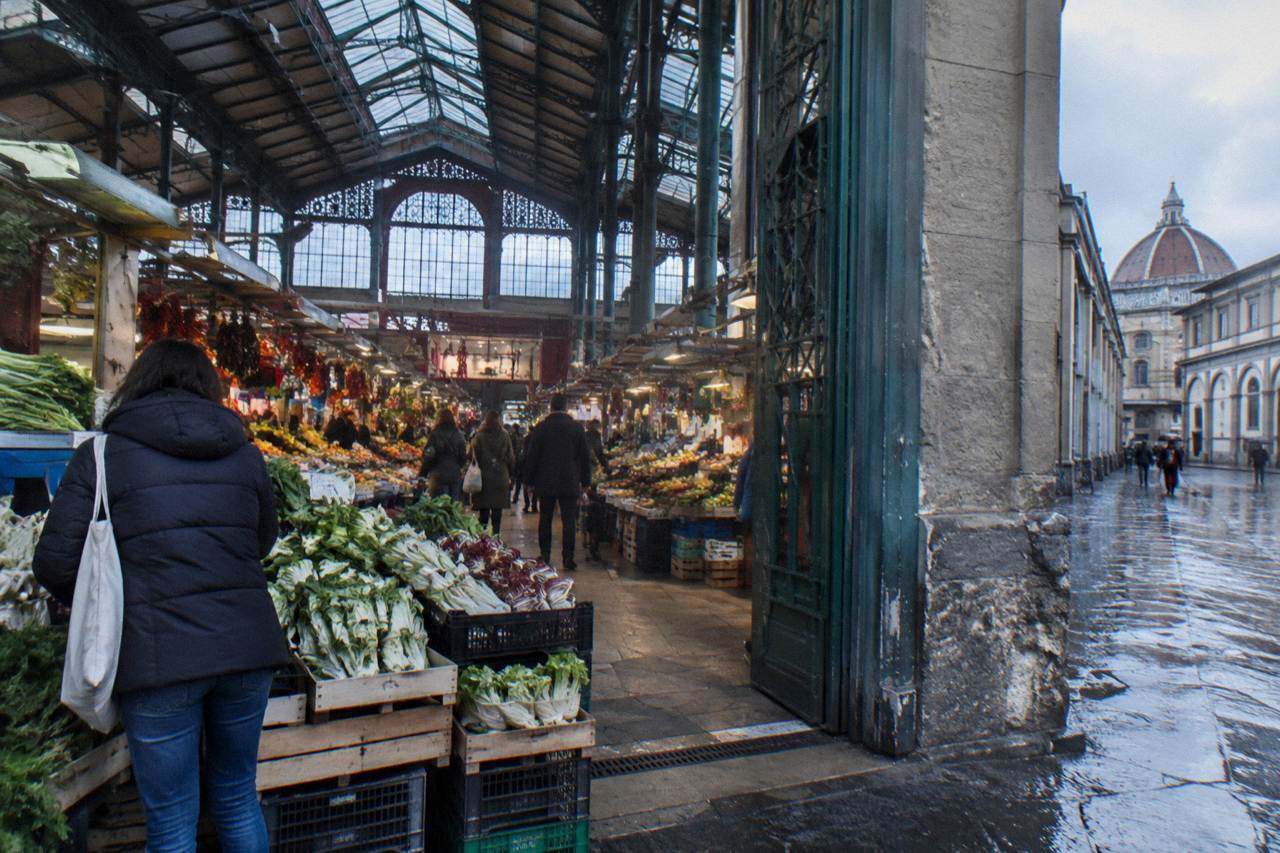
Sant'Ambrogio Market opens Monday to Saturday, roughly 07:00 to 14:00, and closes on Sundays. It sits about 20 minutes on foot from the Duomo. It is the quieter, cheaper, more residential counterpart to Mercato Centrale, and a natural first stop before a market-and-cooking class, which runs about 80 to 120 euros per person.
Mercato Centrale gets the crowds; Sant'Ambrogio gets the shoppers. This iron-and-glass market hall in Florence's Sant'Ambrogio district runs Monday to Saturday, roughly 07:00 to 14:00, closed Sundays, and it sits about 20 minutes on foot east of the Duomo. Prices at the produce and butcher stalls tend to run below the more central market's, and the standing food counters inside serve the neighborhood's office workers rather than tour groups, which is exactly why the market keeps coming up on Reddit as the local alternative.
What Is Sant'Ambrogio Market?
Sant'Ambrogio is a covered iron-and-glass market in residential Florence, open Monday to Saturday from about 07:00 to 14:00 or 15:00 depending on the stall, and closed on Sunday. Inside are produce sellers, butchers, a fishmonger and a small food court; outside, a weekday piazza market spreads across the square. It is a working grocery market first and a sight second, roughly a 20 minute walk from the Duomo.
That last point shapes everything about a visit. Mercato Centrale sits three minutes from the Duomo and has become a destination in its own right, with a two-storey food hall open until 23:00 or later. Sant'Ambrogio asks for a walk through the Santa Croce side of town, and in exchange hands you a market where the person ahead of you in line is buying dinner, not photographing it. The official market site, mercatosantambrogio.it, lists the stall categories and the weekly schedule, and it is worth a look before an early-morning visit because individual traders keep their own hours within the market's opening window.
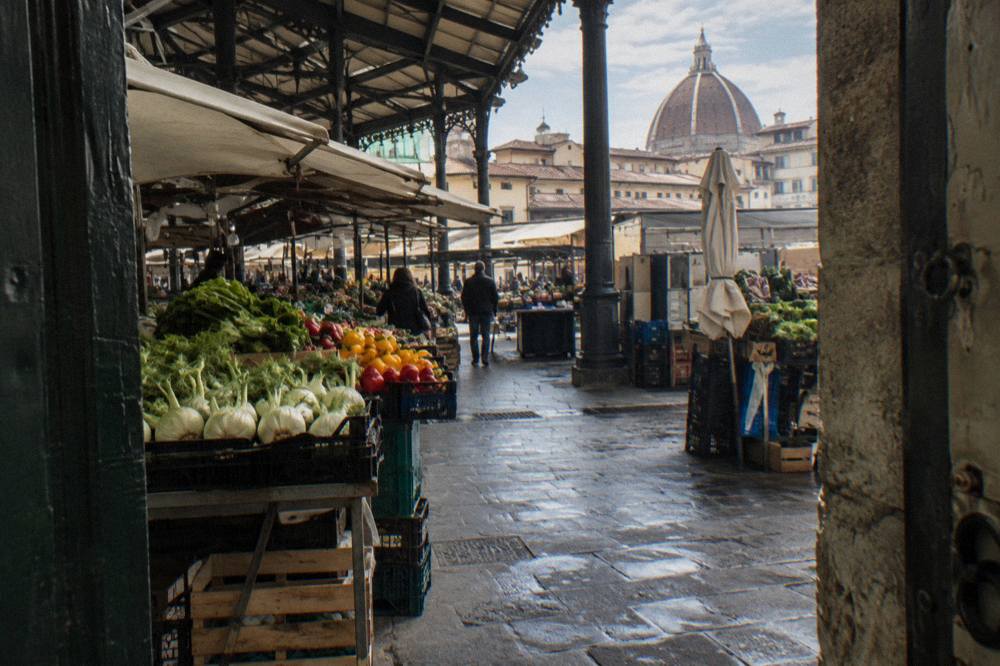
The building itself deserves a pause. It belongs to the same family of municipal market halls as San Lorenzo, and the cast-iron architecture is close to identical, which surprises visitors expecting something smaller or rougher. The difference is entirely in the clientele. Where San Lorenzo reoriented itself around visitors over decades, Sant'Ambrogio never had the foot traffic to justify it, so the ground-floor stalls stayed groceries.
Sant'Ambrogio Or Mercato Centrale: Which Should You Visit?
Visit both if you have the time, but choose Sant'Ambrogio for real shopping and cooking-class ingredients, and Mercato Centrale for eating late or when Sunday rolls around. Sant'Ambrogio closes by early afternoon and shuts entirely on Sundays; Mercato Centrale's upstairs food hall runs daily from about 09:00 to 23:00 or midnight. Price-wise, the residential market generally undercuts the tourist one on produce.
The honest comparison is not really competition, it is scheduling. A shopper who arrives at 08:00 will find Sant'Ambrogio at its busiest and freshest; the same shopper arriving at 16:00 will find the shutters down and a food hall elsewhere still going strong. The ground-floor produce stalls at Mercato Centrale keep hours closer to Sant'Ambrogio's, roughly 07:00 or 09:00 to 15:00 on weekdays and to 17:00 on Saturday, also closed Sunday, while the upstairs food hall operates daily. The contrast in hours is laid out in more detail in the companion guide from Pasta Making Course Florence, Mercato Centrale, Florence: Hours, Stalls And How To Eat It Properly.
| Feature | Sant'Ambrogio | Mercato Centrale |
|---|---|---|
| Days open | Monday to Saturday | Daily (food hall); produce stalls Mon-Sat |
| Typical hours | ~07:00-14:00/15:00 | Produce ~07:00/09:00-15:00; food hall ~09:00-23:00/24:00 |
| Sunday | Closed | Food hall open |
| Walk from Duomo | ~20 minutes | ~3 minutes |
| Character | Residential grocery market | Visitor-heavy market plus food hall |
| Best for | Ingredient shopping, local lunch | Late eating, rainy day, Sunday |
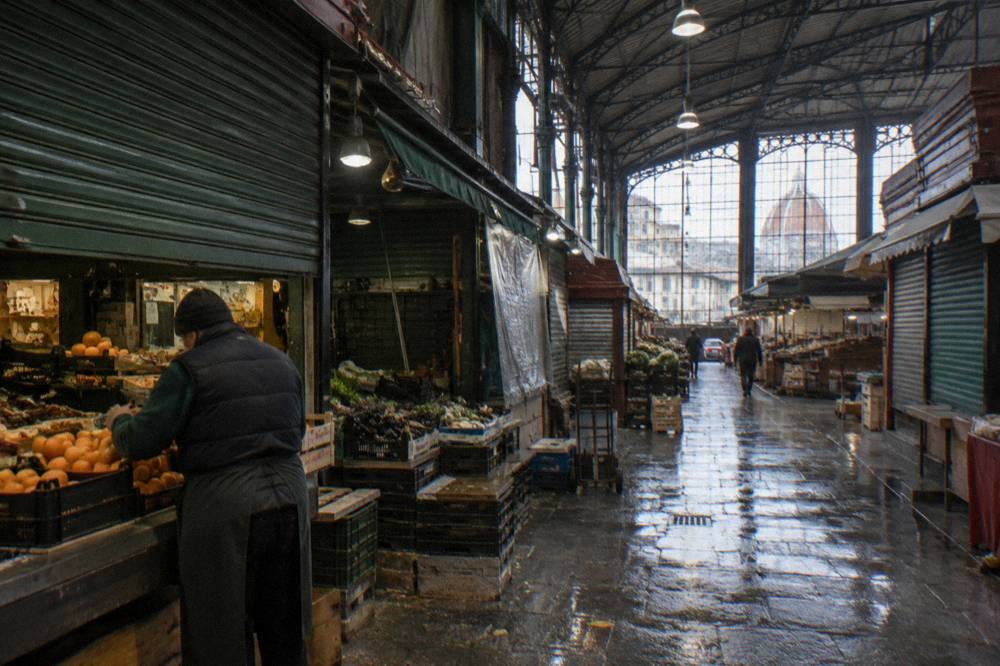
Crowds and atmosphere are the deciding factors for most travellers. On Reddit, a thread in r/LoveTuscany titled "Discovering Mercato di Sant'Ambrogio, a local gem" describes it in exactly those terms: fewer cameras, more locals, better prices on fruit and vegetables. That is a question travellers keep asking in one form or another, and the market's answer has been consistent, you trade convenience for authenticity, and on a Tuesday morning the trade feels worth it.
Hours, Getting There And How To Pay
Plan an arrival between 08:00 and 11:30, Monday to Saturday; that window catches the stalls fully open with the morning's best produce before the 14:00 shutdown. From the Duomo it is about a 20 minute walk past Santa Croce, and city buses serve the piazza. Bring cash. Card acceptance at independent stalls is unreliable, and the ATM queue near the market can be slow.
The cash point deserves emphasis because it catches visitors out weekly. The market's official presence at mercatosantambrogio.it describes a traditional mercato di quartiere, a neighborhood market, and traditional in Italy still often means cash for small purchases. The indoor food counters, the ones selling lampredotto sandwiches and trippa alla fiorentina, are more likely to take cards than the outdoor produce tables. Budget accordingly: a handful of euros covers a sandwich and a standing coffee, a bag of seasonal fruit costs a couple more.
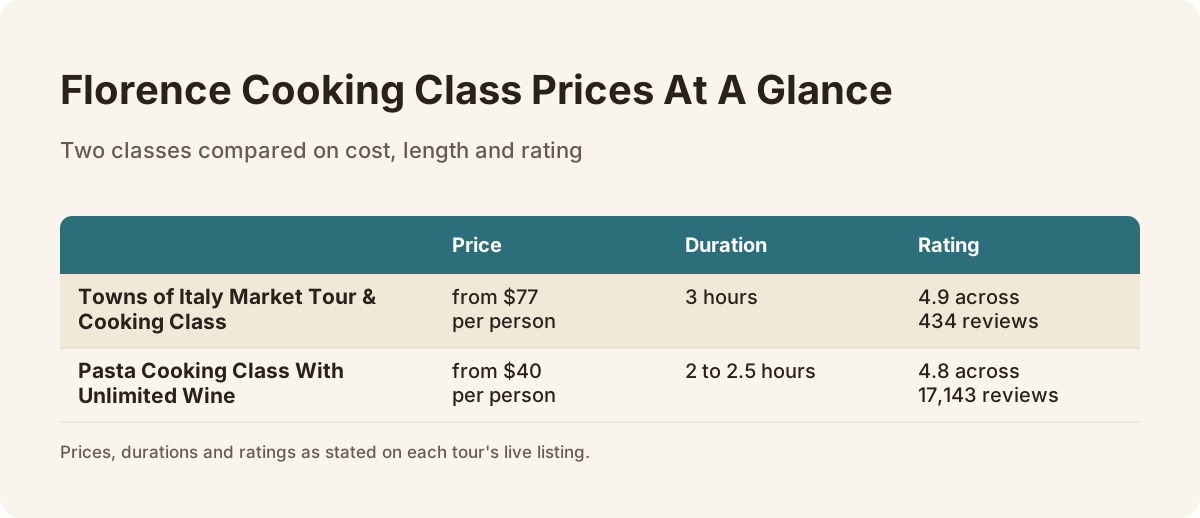
For anyone pairing the market with a class, timing matters more than transport. The market shuts at 14:00 at the latest, so a market-first morning followed by an afternoon cooking session is the natural shape, which is exactly how the city's market tour operators structure their days. The 3 hour market tour and cooking class with wine, run by Towns of Italy, is built around this rhythm: a guided Central Market visit with tastings, then lasagna and tiramisu from scratch, eaten with wine, from $77 per person and rated 4.9 across 434 reviews on the live listing.
| Need | At Sant'Ambrogio | Practical note |
|---|---|---|
| Cash | Preferred at most stalls | Withdraw before arriving; nearby ATMs queue |
| Best arrival window | 08:00-11:30 | Stalls wind down toward 14:00 |
| From the Duomo | ~20 min walk | Via Santa Croce, flat route |
| Sunday visit | Not possible | Food hall at Mercato Centrale is the fallback |
| Standing lunch | Food counters in the hall | Lampredotto and trippa stalls, low prices |
What To Buy At Sant'Ambrogio, Month By Month
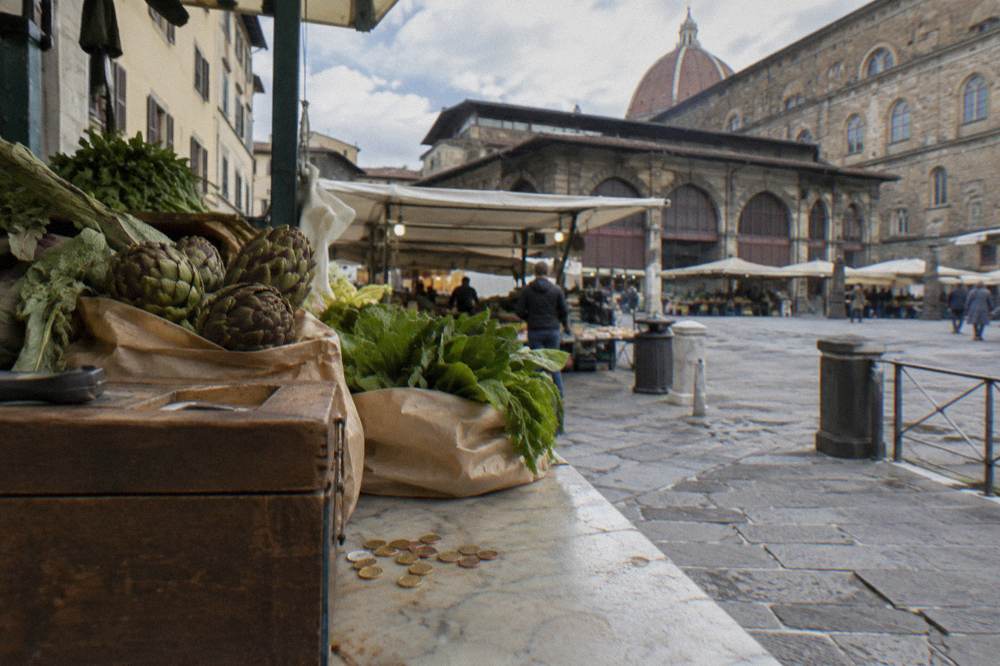
Buy what the calendar gives you: porcini mushrooms and chestnuts in September and October, freshly pressed olio nuovo olive oil in October and November, and spring artichokes from March onward. Shopping seasonally at a residential market is both cheaper and better, because the stalls stock only what Tuscany is harvesting, and prices drop when supply peaks.
This is where Sant'Ambrogio beats any supermarket and most of Mercato Centrale's produce floor. The stallholders buy from the same wholesale channel the city's restaurants use, and they lay it out by season without translation. An olive oil producer's olio nuovo arriving in late October is a genuine event here; locals queue for the first pressing because it is sold at its freshest and at a price that rises once the same bottles reach delicatessens. The month-by-month detail, including what to cook with each harvest, is mapped out in What To Buy In Florence Markets Month By Month, and the seasonal logic behind Tuscany's calendar is explained by Out of the Box Florence's month-by-month guide.
| Months | At the stalls | What to do with it |
|---|---|---|
| Sep-Oct | Porcini, chestnuts | Porcini pasta, roasted chestnuts |
| Oct-Nov | Olio nuovo, first press | Drizzle on ribollita, plain bread tests |
| Mar-May | Spring artichokes | Fried artichokes, artichoke pasta |
| Summer | Tomatoes, zucchini flowers | Fresh sauce, stuffed flowers |
A shopping-first habit also changes what a cooking class becomes. Someone who has just smelled fresh porcini understands why a sauce can be three ingredients. Travellers who want that connection without planning it themselves usually book the market tour & cooking class with wine, which folds the shopping phase into the lesson.
Can You Combine Sant'Ambrogio With A Cooking Class?
Yes, and it is one of the better pairings in Florence. Market-plus-class experiences run about 80 to 120 euros per person, the market phase fills the first hour, and the cooking fills the rest. If you would rather shop on your own, arrive by 09:00, buy a seasonal ingredient, and take a standalone pasta class afterward, which starts from $40 per person among the tours listed here.
The guided version does the thinking for you. Towns of Italy's Market Tour & Cooking Class With Wine costs from $77 per person, runs 3 hours, and holds a 4.9 rating across 434 reviews on the live listing, which puts it in the upper tier of the city's market-based options by both score and review volume. The trade-off against a plain class is time and money: you pay more for the market walk and the guide's stall knowledge, and you spend your first hour buying rather than kneading.
Travellers who skip the guided market phase usually land in one of two alternatives. The Pasta Cooking Class With Unlimited Wine from operator Florence with Elvis runs 2 to 2.5 hours from $40 per person, rated 4.8 across 17,143 reviews, and it is the volume leader among the city's classic classes. It suits a visitor who shopped Sant'Ambrogio in the morning and wants a short, wine-inclusive session before dinner.
The other common route adds dessert. Cooking Italy's Pasta & Tiramisu Class With Unlimited Wine, 3 hours from $40 per person and rated 4.9 across 8,989 reviews, covers two courses and pairs naturally with a market morning, since the fruit and cheese stalls supply the tiramisu conversation. The market tour & cooking class with wine remains the only one of the three that actually walks you through the stalls with a guide, a distinction worth knowing before booking.
For readers weighing whether the guided shop is worth the premium, the site's comparison of market tour cooking classes shopping first breaks the group formats down stall by stall.
Is Sant'Ambrogio Worth The Walk From Central Florence?
For most food-minded visitors, yes. The market costs nothing to enter, prices run below the center, and the 20 minute walk passes Santa Croce, so the journey is itself sightseeing. The honest exceptions: Sunday visitors, who will find it shut, and anyone arriving after 14:00, who should go to the Mercato Centrale food hall instead, which serves until around midnight daily.
The Reddit thread in r/LoveTuscany keeps surfacing in searches for this exact question, and its commenters land in the same place: Sant'Ambrogio is what people imagined an Italian market would be before the center of Florence got busy. That sentiment is real but should not be oversold. The hall is smaller than San Lorenzo's, the range is narrower, and in late afternoon the whole piazza empties. The reward for going early is a market at working temperature, butchers breaking down whole animals, cheese wheels open on the counter, and a food counter where a lampredotto panino costs a fraction of a restaurant lunch.
Common Questions About Sant'Ambrogio Market
What are Sant'Ambrogio Market's opening hours?
Monday to Saturday, roughly 07:00 to 14:00 or 15:00 depending on the individual stall, and closed on Sundays. Arrive between 08:00 and 11:30 for the fullest, freshest version of the market.
Is Sant'Ambrogio Market better than Mercato Centrale?
Neither is simply better. Sant'Ambrogio is cheaper, more residential and closes by early afternoon; Mercato Centrale has a daily food hall open until 23:00 or midnight and is three minutes from the Duomo. Many visitors do Sant'Ambrogio in the morning and Mercato Centrale at night.
Do I need cash at Sant'Ambrogio Market?
Cash is preferred and often required at the independent produce and butcher stalls, so withdraw before you arrive. The indoor food counters are somewhat more likely to accept cards, but do not count on it.
Can I combine Sant'Ambrogio Market with a cooking class?
Yes. Guided market tour and cooking class combinations run about 80 to 120 euros per person, and the bookable market tour with wine on this site costs from $77 per person for 3 hours with Towns of Italy.
How do I get to Sant'Ambrogio Market from the Duomo?
On foot it takes about 20 minutes, a flat route past Santa Croce. City buses also stop at or near the piazza.
Is Sant'Ambrogio Market open on Sunday?
No. The market is closed on Sundays, and the ground-floor produce stalls at Mercato Centrale are too; the fallback on a Sunday is Mercato Centrale's upstairs food hall, open daily from about 09:00.