Which City In Italy Is Best For Cooking Classes?
Compare Italian cooking-class destinations by menu, setting, class format and current total cost, with verified Florence options.
 By Andrea Bianchi, Florence pasta-making instructor
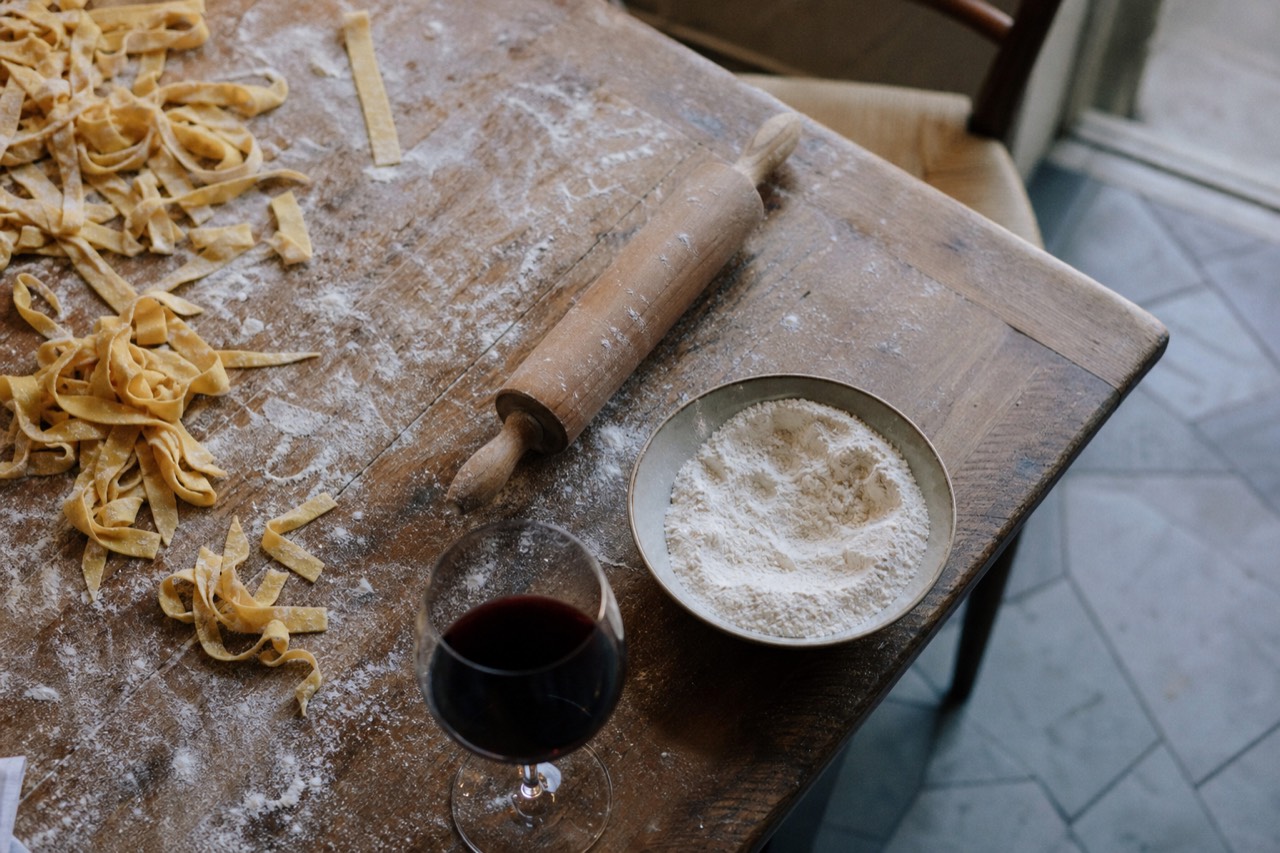
A cooking-class price can reflect the setting as well as the teaching. A coastal terrace, a private kitchen and a city workshop are different purchases, so choosing where to learn starts with the experience you want and the city already on your itinerary.
At A Glance: For a Florence stay, compare a three-pasta chef class with a pasta-and-dessert lesson or a longer farm outing. Explore Michelin-Trained Chef Pasta Class in Florence
Which Italian City Is The Best Place To Take A Cooking Class?
Florence is a strong starting point if it is already on your itinerary. The cited 2026 guide places Florence, Rome and Bologna in a similar broad half-day price band, but current offers vary by operator and format. Venice and the Amalfi Coast offer different settings; a higher price alone does not establish better or worse teaching.
The bands are unusually clean for a market this fragmented. Analysis of Italian cooking classes for 2026 puts Florence, Rome and Bologna at 80 to 150 euro per guest for three to four hours including hands-on cooking and the meal, with Venice at 90 to 180 and Bologna's own range at 90 to 160. Sorrento and Positano sit apart at 120 to 250.
Florence's range includes short city pasta lessons, pasta with dessert, market visits and longer farm outings. Published starting prices may describe different dates, party sizes and inclusions, so they are not directly comparable totals.
What Do The Price Bands And The Classes Actually Look Like?
The cited guide separates central-city group classes, Venice, the Amalfi Coast and private villa experiences into broad price bands. Treat these as planning context, then compare current quotes for the same group size, menu and inclusions. A private booking can be worthwhile for control over the experience even when it costs more per person.
| City or format | 2026 group band | Typical length | What the classes lean toward | Our read |
|---|---|---|---|---|
| Florence | 80 to 150 euro | 2–3 hours for short city options; market and farm formats take longer | Hand-rolled Tuscan shapes, pici and pappardelle, tiramisu | Broad range of city, market and farm formats |
| Rome | 80 to 150 euro | 3 to 4 hours | The Roman sauce canon, carbonara and cacio e pepe | Pick it for one specific dish done properly |
| Bologna | 90 to 160 euro | 3 to 4 hours | Northern egg pasta made with soft wheat flour | Strong egg-pasta tradition; compare individual operators |
| Venice | 90 to 180 euro | 3 to 4 hours | Lagoon cooking, and a higher floor across the board | Compare the setting, menu and current quote |
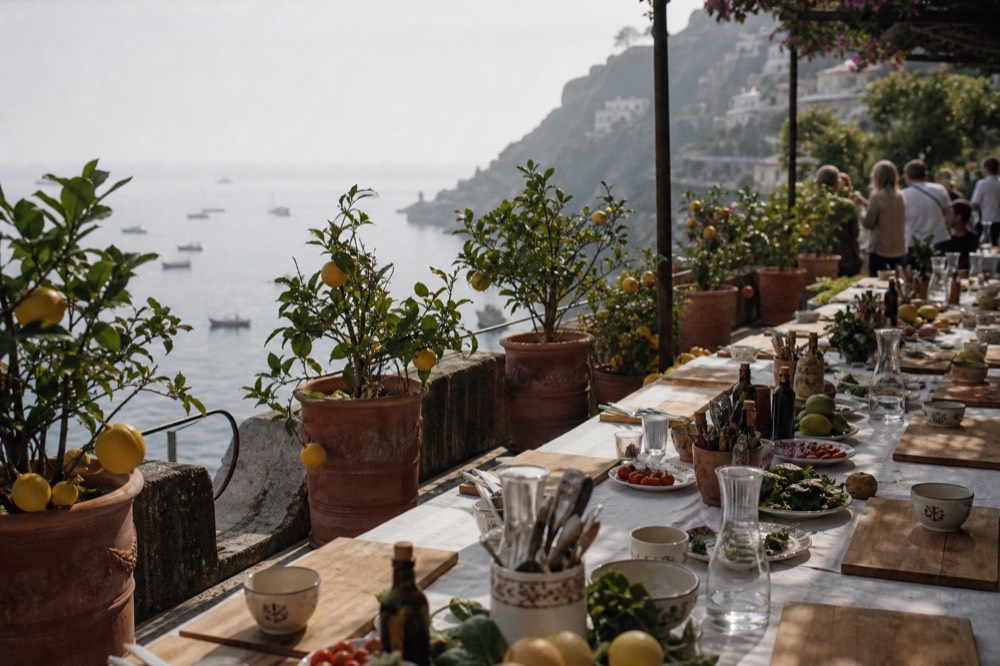
| Sorrento and Positano | 120 to 250 euro | Varies widely | Coastal cooking with a view attached | Coastal setting may be part of the price |
| Private villa, group of 6 | 110 to 180 euro per guest | Half day | Menu agreed with the chef; restrictions may apply | Compare the group minimum, privacy and current total |
The private villa line needs a like-for-like comparison. Ask whether the quote is per person or for the whole group, what minimum charge applies and which ingredients, drinks and travel costs are included. Smaller parties may pay more per person for privacy; the calculator below compares the actual totals you enter.
The final bill depends on the selected class’s inclusions and extras. What Italian kitchens expect at the end explains tipping separately. Related reading: what Italian kitchens expect at the end.
What Does Each City's Cooking Actually Teach You?
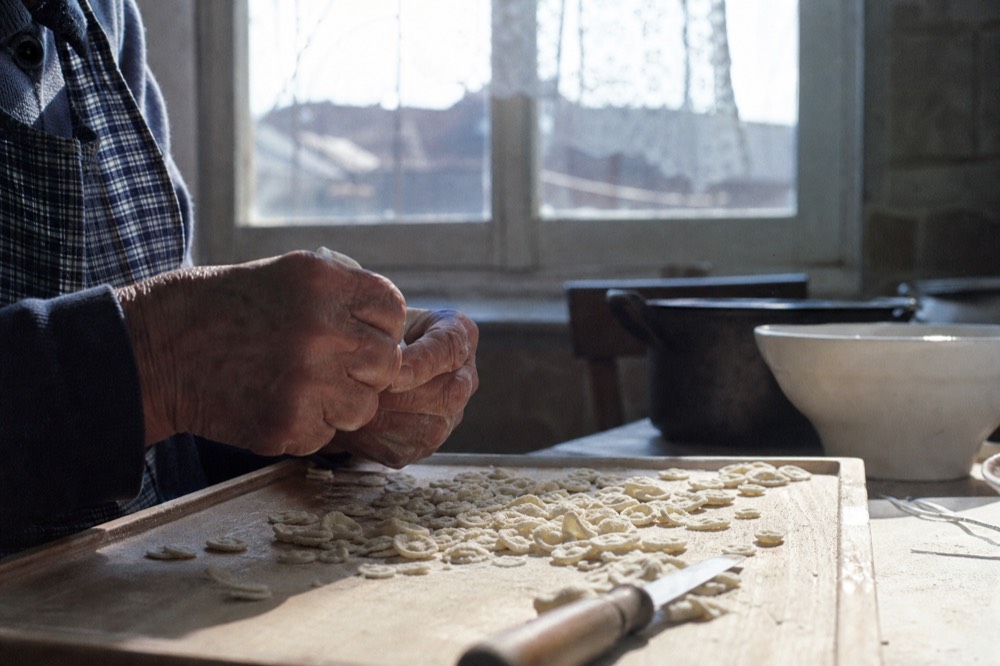
Regional traditions can help narrow the menu: Tuscany is associated with shapes such as pici, Rome with sauces such as carbonara and cacio e pepe, and Bologna with egg pasta. The selected operator determines what you actually make. Choose techniques and recipes you would like to repeat at home.
Skill transfer is a useful test of value six months later. Hand-shaping pasta gives you practice with dough; Roman sauces build confidence with heat and emulsions. A coastal menu can be repeatable too, especially when the instructor explains ingredient substitutions. Ask what you will prepare yourself and what recipes you receive.
Menu choice is useful because it determines what you practice: pasta shaping, sauce technique, dessert preparation or a combination. The pasta-and-tiramisu formats that cover both in one sitting illustrate that difference within Florence’s lineup. Related reading: the pasta-and-tiramisu formats that cover both in one sitting.
Does The Amalfi Premium Buy Better Teaching?
Not necessarily. A coastal setting can be part of the premium, but the fee alone does not establish teaching quality. The cited Positano class price and an older restaurant-dining review refer to different experiences, so they should not be used as a direct test of the class.
The comparison highlights different experiences. The cited grandmother-led class outside Rome emphasizes a village kitchen, while the Positano example emphasizes a coastal setting. Neither social reach nor a single dining review establishes how well either class teaches. Related reading: a grandmother's pasta class in a village outside Rome teaching roughly 5,000 people a year at 100 euro a head.
None of this makes the cited Positano class a bad afternoon. Eating above the Tyrrhenian may be part of what you want to buy. Weigh the setting alongside the menu, amount of hands-on instruction and recent class-specific reviews; the article on why some Italian classes go viral explores the distinction. Related reading: Positano class at 250 euro, Why some Italian classes go viral.
The Florence farm format takes 5–7 hours on GetYourGuide, including return transport from the group meeting point; hotel pickup is not established. The farmhouse formats compared explain the extra travel and countryside time. The three-hour chef-led city class is a shared group of up to 13, rather than a private booking. What people actually wear to these classes applies to both settings. Related reading: The farmhouse formats compared, what people actually wear to these classes.
For the head-to-head most travellers are really weighing, Rome against Florence on the same criteria goes deeper on those two, and what a class costs across Italy breaks the numbers down further. On the Florence side, the strongest kitchens in the city, ranked ranks the options on review evidence, and every Florence class on one page puts them in one table.
Pick the city you already have nights in, then compare the menu, teaching format, recent reviews and total cost. A large review count can help you assess consistency, but it does not guarantee the best class for your needs.